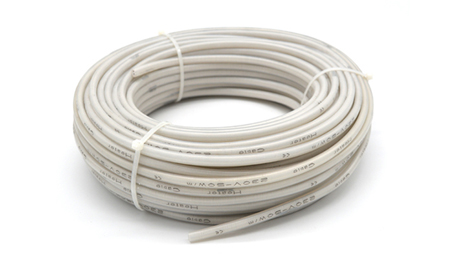
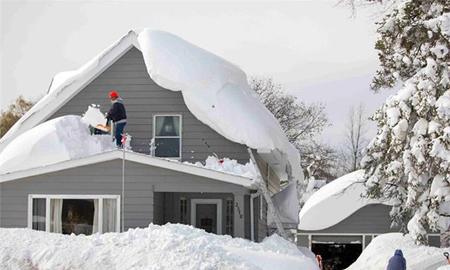
Many users complain that their electric heating cable based systems consume much more electricity than expected. Excessive energy bills happen across indoor floor‑heating, pipe freeze‑protection, roof gutter de‑icing and pavement snow‑melting projects. High power draw is not always caused by defective cables; in most cases it comes from wrong configuration, poor thermal insulation, improper controller settings or mis‑selected product variant. This troubleshooting FAQ article covers heat trace cable, Trace heating cable, pipe heating cable, gutter heating cable, snow melting cable, electric heating mats for floors, and gives evaluation points for selecting a professional Floor heating manufacturer. For full‑series product information, .
Main root‑causes of excessive energy‑use
-
Missing or degraded thermal insulation: Heat dissipates freely to surrounding environment, forcing electric heating cable to run longer cycles to compensate massive heat‑loss. This applies for pipe trace‑heating, floor heating and outdoor de‑icing systems.
-
Incorrect controller set‑points: Thermostat temperature is set far higher than actual requirement. For freeze‑protection you only need to keep temperature slightly above 0 °C; over‑high set‑points waste large amount of power.
-
Wrong watt‑density product: Installing over‑powered cable for mild‑climate conditions, or deploying indoor‑grade product for harsh outdoor exposure.
-
Sensor mis‑placement: Temperature sensor sits in sun‑lit / sheltered micro‑climate instead of representing real target object temperature. Controller makes wrong switching decisions.
-
No automatic control accessories: Running gutter heating cable or snow melting cable 24‑7 manually without snow‑ice sensor or timer.
FAQ Section
Q1: My electric heating mats for floors produce comfortable warmth but monthly electricity bill is surprisingly high. How do I lower running cost?
A: First check floor base insulation underneath the mats. If under‑floor insulation is thin or absent, considerable heat leaks downwards into sub‑floor structure. Second, adjust thermostat set‑point: typical comfortable indoor floor temperature sits around 22‑24 °C; setting above 26 °C sharply increases power consumption without extra comfort gain. Third, use programmable thermostat to lower temperature during periods when the room is unoccupied. Never cover large mat areas with thick heavy carpets, which forces the system to work harder. For indoor radiant‑heating optimization, .
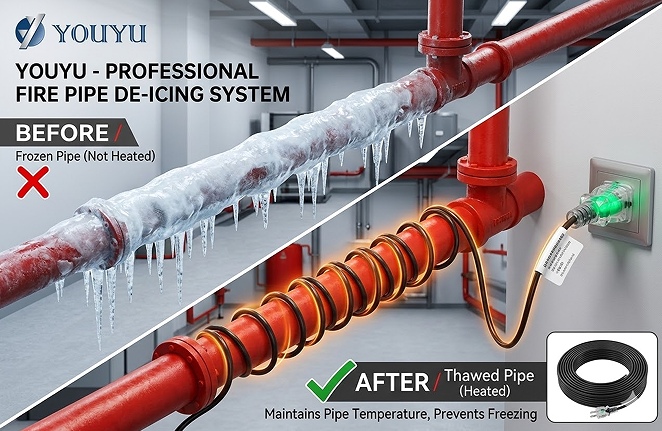
Q2: Why does my pipe heating cable / heat trace cable system consume more power in winter datasheet predicted?
A: The most frequent cause is damaged or incomplete pipe thermal insulation. Even high‑quality Trace heating cable cannot achieve theoretical energy‑saving performance if pipes are poorly insulated. Next, verify that watt‑density matches actual minimum ambient temperature of your location. If you apply high‑watt industrial‑grade heat trace cable for mild‑climate residential water‑pipe freeze‑protection, you will get unnecessary high energy draw. Also confirm thermostat sensor is tightly attached onto pipe metal surface rather than hanging in open air.
Q3: Outdoor snow melting cable and gutter heating cable push up winter electricity bills. What cost‑saving measures can I take?
A: Manual permanent ON operation creates huge waste. You must install dedicated weather‑responsive sensors: snow‑ice sensor for snow melting cable, ambient‑temperature sensor for gutter heating cable. These accessories activate heating only when snow, ice or freezing temperature appears, and auto‑shut‑off under dry mild weather. Do not over‑specify watt‑density: select power rating exactly matching your local snow‑fall and lowest‑temperature statistics instead of picking maximum‑power variant blindly.
Q4: How can a qualified Floor heating manufacturer help me avoid over‑specification and high operating‑cost risks in project design phase?
A: A competent Floor heating manufacturer provides engineering heat‑loss calculation before purchase. They calculate required watt‑density according to your site's climate data, pipe dimension, insulation thickness and target working temperature, instead of only selling highest‑power‑rating products. They also recommend matching controllers and sensors for each scenario, helping balance heating performance and long‑term energy expenditure. Reputable manufacturers supply both indoor and outdoor heating‑system components. When you need project design consultation, .
Quick diagnostic checklist you can perform on‑site
-
Inspect all thermal‑insulation layers for pipes, floors or roof‑related components; repair gaps and broken sections.
-
Review thermostat / controller set‑points against real functional requirement.
-
Check physical position of every temperature and snow sensor.
-
Confirm selected product watt‑density matches documented site climate parameters.
-
Verify whether automatic sensor‑based control accessories are installed for outdoor systems.
Closing summary
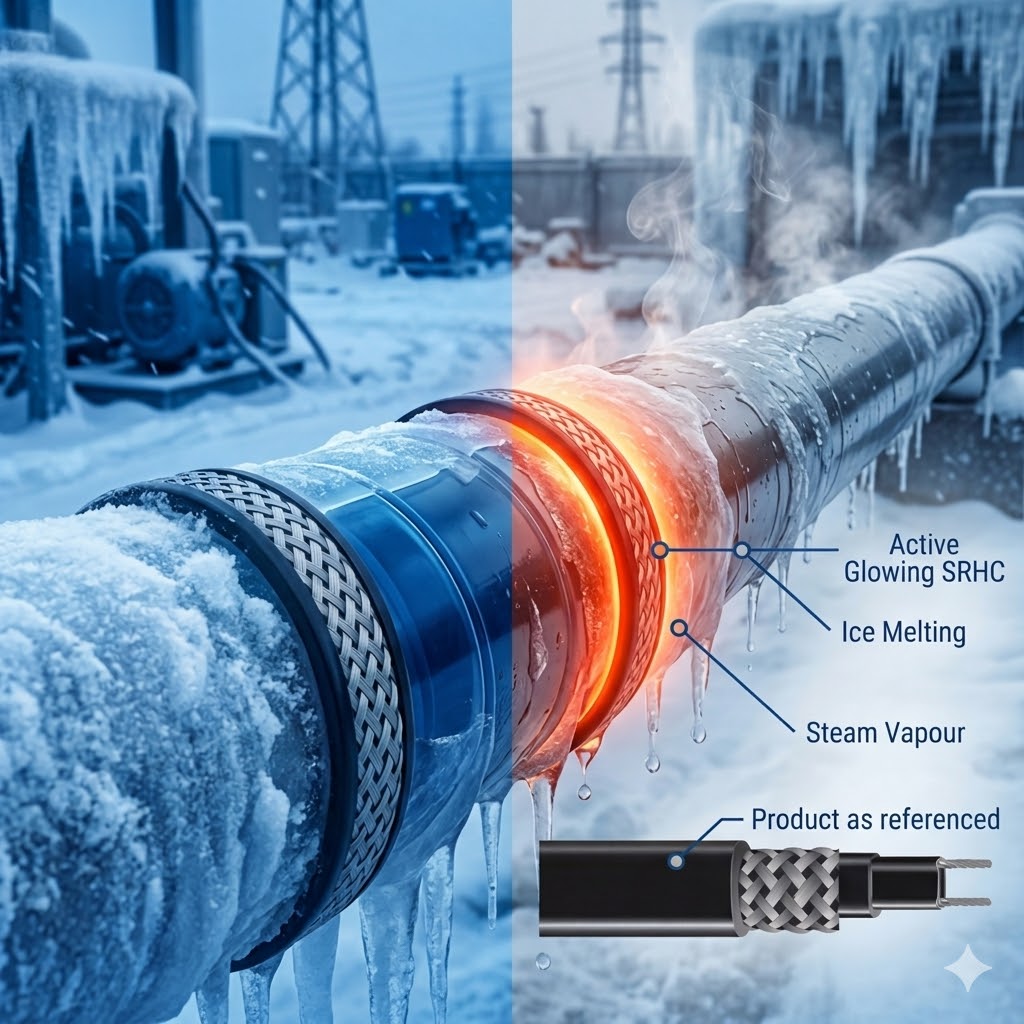
High‑energy‑consumption complaints for electric heating cable systems are mostly design‑and‑configuration‑related issues, not manufacturing defects. Optimizing thermal insulation, calibrating controller parameters, deploying automatic sensors and selecting correct watt‑density from the beginning will effectively bring down long‑term operating costs for residential, commercial and industrial heating‑trace projects.
 Say Goodbye to Selection Anxiety! The Logic of Efficient Heat Tracing Matching for Power Plants