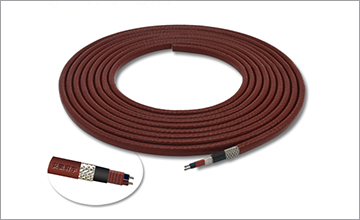
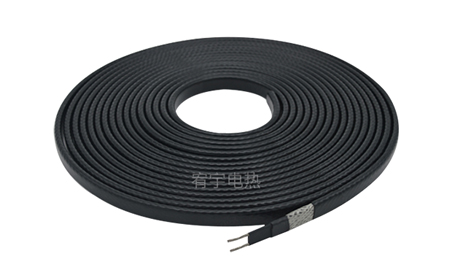
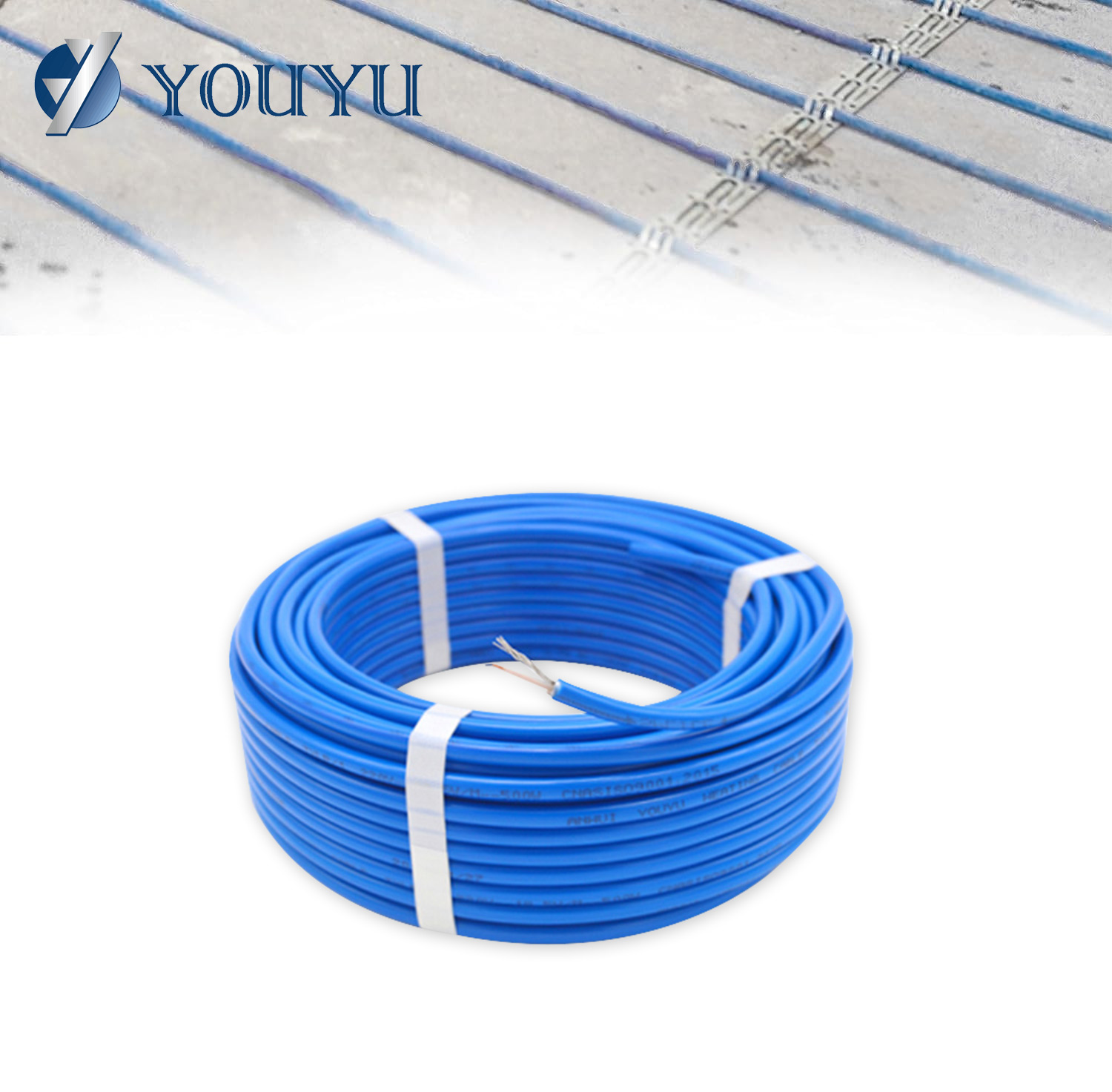
Industry insiders know the drill: product quality accounts for only 30%, while installation makes up 70%. Acceptance inspection is the final safeguard. Drawing on years of field experience, this guide helps you get the pipeline’s “anti-freeze lifeline” right the first time.
1. Pre-Construction Acceptance: Material & Condition Verification
Work must not commence if requirements are not met.
-
Material Inspection: Ensure product certificates and test reports are complete. Check that the appearance is free of damage, crushing, or aging, and that the model matches the design. Verify that accessory seals are intact and effective.
-
Site Conditions: Pipeline anti-corrosion and pressure testing must be completed, with surfaces free of burrs and welding slag. The work area must be free of standing water and open fire hazards; avoid outdoor work during rain or snow. Construction drawings and circuit numbering must be clear and complete.
2. Construction Process Acceptance: Installation Quality Control
Inspect by procedure, focusing on four key stages:
-
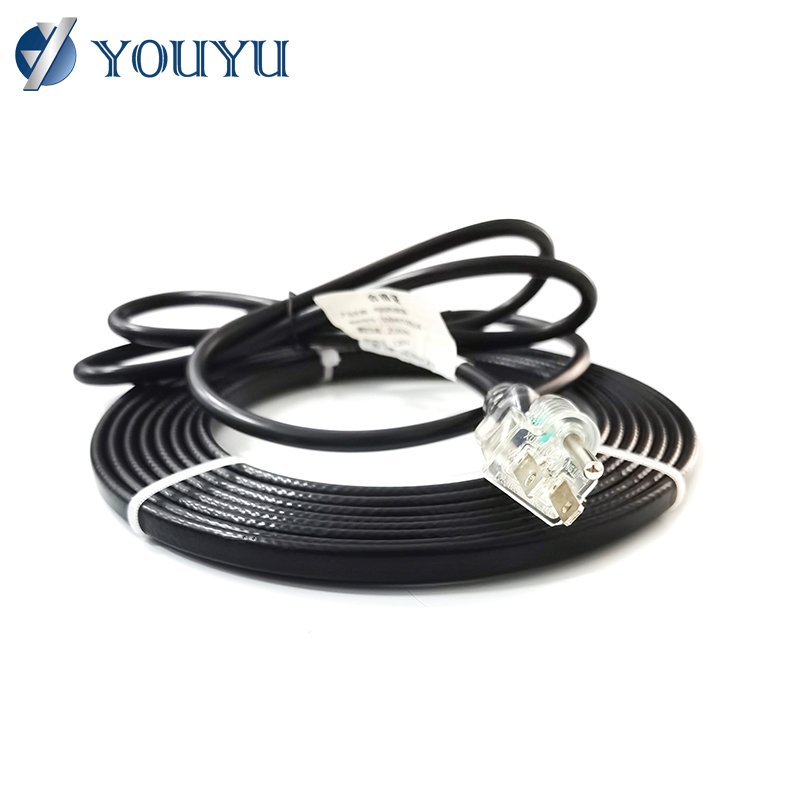
Laying: Install straight and secure using aluminum foil tape; wire binding is strictly prohibited. Maintain the specified bending radius—do not kink or twist. Add protective sleeves at wall penetrations, and ensure single-circuit lengths do not exceed limits.
-
Wiring & Sealing: Install junction boxes and end seals according to standards. Ensure core wire crimps are secure and insulation sealing is thorough. Waterproofing and dustproofing must be intact, with outdoor components oriented downward. No joints are allowed to be buried within the insulation layer.
-
Temperature Control & Protection: Attach temperature sensors tightly to the pipe wall and secure them firmly. Ensure circuit identification in distribution boxes is clear, with overload and leakage protection configured. All metal casings must be reliably grounded.
-
Insulation & Protection: Only apply insulation after the heat tracing has passed acceptance. The insulation layer must be dense with no gaps and must not crush the cables. The outer cladding should be flat, with sealed, waterproof joints.
3. Commissioning Acceptance: Live Operation Testing
Conduct commissioning after insulation is complete; acceptance is granted only upon passing.
-
Insulation Test: Measure insulation resistance while powered off; values must meet standards.
-
Live Trial Run: Energize each circuit individually. Operation should be stable with no odors, overheating, or tripping. Operating current must match rated values.
-
Functional Verification: Thermostatic start/stop should be normal and responsive. Protective devices must pass testing. System heating should be uniform and reach the design temperature.
4. Final Acceptance: Documentation & Physical Compliance
-
Documentation Review: Ensure as-built drawings, certificates, test reports, concealed work records, insulation test records, commissioning logs, and rectification closure records are complete.
-
On-Site Inspection: Verify proper laying, secure wiring, intact insulation, clear labeling, adequate maintenance access, and normal operation.
-
Acceptance Conclusion: Sign off and hand over if qualified. If not, require rectification within a specified timeframe; re-inspection must be passed before final acceptance.