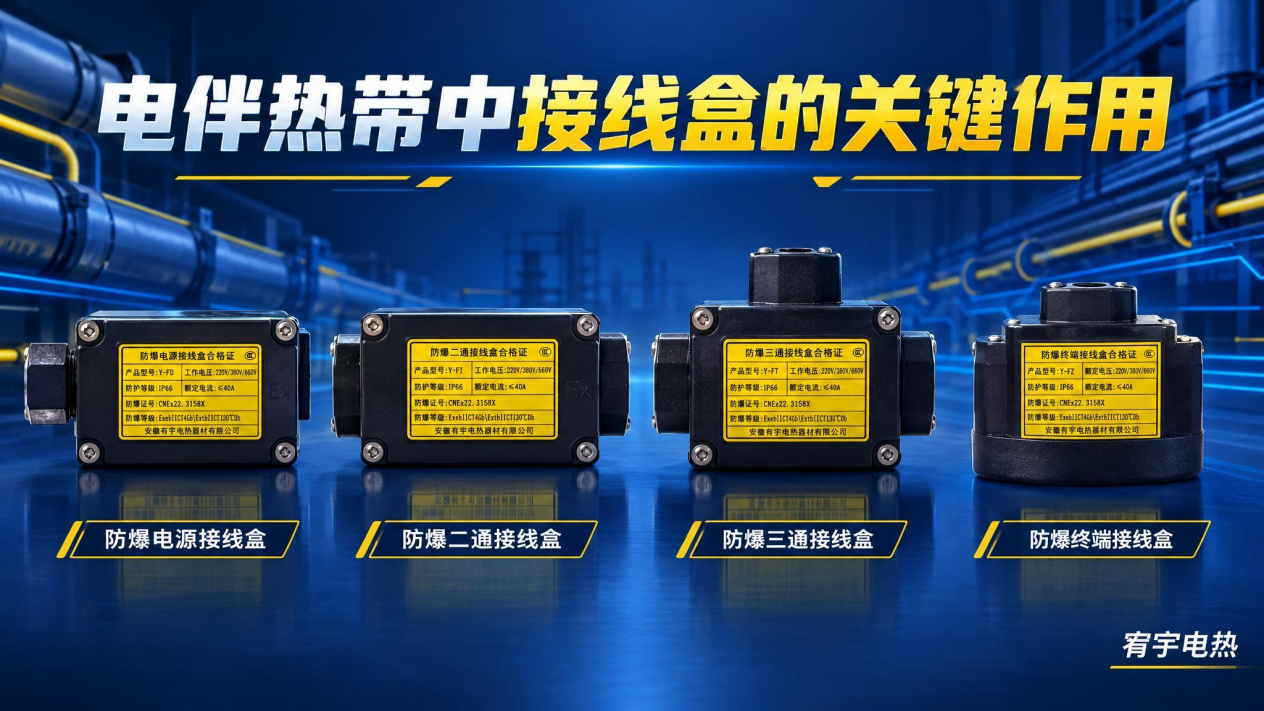
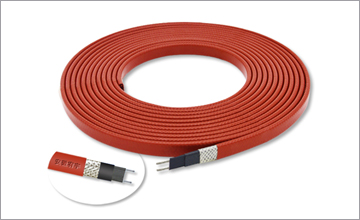
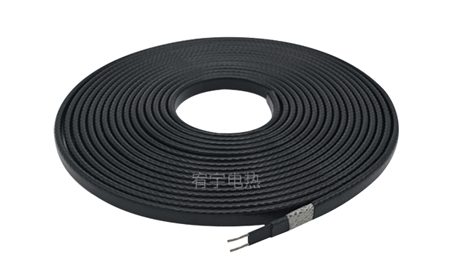
In the field of electric heat tracing cable, many faults eventually trace back not to the heat tracing cable itself, but to the junction box. This component may look inconspicuous—often costing just a few dollars—but it determines whether the entire system can run stably.
First and foremost, the junction box guards the bottom line of safety.
Once the heat tracing cable is energized, if the power connections and the end seal are left exposed or merely wrapped with tape, moisture infiltration can easily cause short circuits and tripping. In severe cases, it can even lead to arcing. This is particularly critical in explosive environments like chemical plants or oil and gas facilities; if the junction box’s sealing and explosion-proof ratings are substandard, the hidden risks are significant. If the housing deforms or cracks, it must be replaced immediately—no compromises.
Secondly, it ensures the heating performance.
Many tripping faults on-site turn out to be caused by rusted terminals or loose cores once the box is opened. This increases contact resistance, leading to localized overheating. The heat tracing cable itself isn't broken, but the heat fails to transfer effectively, leaving the pipes vulnerable to freezing. The standard practice is to ensure core wires are fully inserted and terminals are tightly secured. Any unused cable entries must be sealed with blind plugs to leave no path for moisture.
In short, the junction box acts as the "goalkeeper."
It doesn't generate heat itself, but it controls whether power is delivered steadily to the cable and whether the end termination is sealed cleanly. Over the years at Youyu Electric Heating, we have never cut corners on accessories. Choosing the right heat tracing cable gets you a passing grade, but using the right junction box is what truly completes the job.