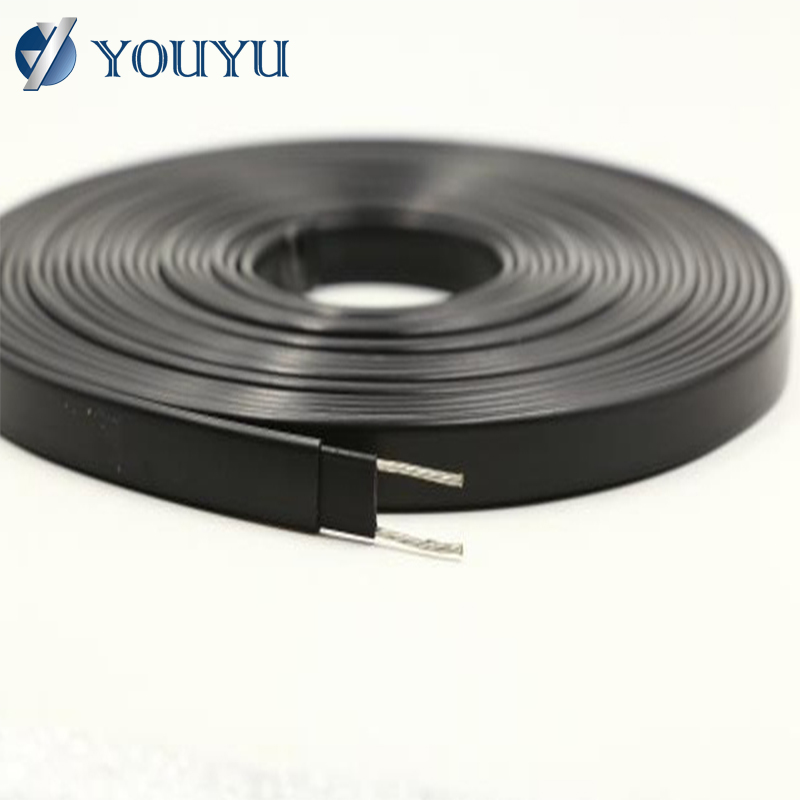
Electric heating cable is the general name for resistive heating cables used in many winter protection and indoor heating systems. Many purchasers confuse different sub-types of electric heating cable, including pipe heating cable, heat trace cable, Trace heating cable, electric heating mats for floors, gutter heating cable and snow melting cable. Each variant has unique jacket material, watt density and working environment limits. Selecting wrong electric heating cable will lead to early aging, electrical failure or insufficient heating effect. This guide compares different types for residential, commercial and industrial projects and helps you work with a trusted Floor heating manufacturer.
All these products look similar from appearance, but they are engineered for completely different environments. Indoor products are protected inside buildings, while outdoor cables must resist UV, freeze-thaw cycle, rain and snow. Pipeline trace heating cables need stable heat output to keep medium temperature, pavement snow melting cables need high power output to melt thick ice and snow. If you want to learn more about general heating cable solutions, electric heating cable.
Product category overview
pipe heating cable: Self-regulating electric heating cable for water pipe freeze protection.
heat trace cable / Trace heating cable:
Trace heating cable for pipe temperature maintenance, used in plumbing and industrial process lines.
electric heating mats for floors: Pre-assembled mesh mats made of electric heating cable, for indoor underfloor radiant heating.
gutter heating cable: UV-resistant outdoor electric heating cable, installed on roof gutters and downspouts to prevent ice dams.
snow melting cable: Heavy-duty buried electric heating cable, used for driveway, sidewalk and ramp snow melting.
Comparison Table: Electric heating cable variants for Residential / Commercial / Industrial
|
Evaluation Item |
Residential Project Requirement |
Commercial Project Requirement |
Industrial Project Requirement |
|
Main Products |
electric heating mats for floors, pipe heating cable, small gutter heating cable |
Full set: heat trace cable, electric heating mats for floors, gutter heating cable, snow melting cable |
Trace heating cable, high temp / explosion-proof pipe heating cable, heavy-duty electric heating cable |
|
Certifications |
CE, RoHS |
CE, EAC, RoHS |
ATEX, ISO9001, ISO14001 |
|
Customization |
Limited size customization |
Custom length, watt density |
Custom wattage, explosion-proof structure, special jacket material |
|
Warranty |
8–12 years |
10–15 years |
15–25 years |
|
Technical support |
Basic installation guide |
On-site installation instruction, drawing support |
Engineering calculation, hazard zone design, third-party test report |
|
MOQ |
Small order acceptable |
Medium bulk order |
Large bulk & OEM order |
How to choose the correct electric heating cable by your working environment
1. Indoor dry environment: choose electric heating mats for floors
For indoor underfloor heating, electric heating mats for floors is the most convenient option. The heating wires are pre-fixed on mesh, saving installation time. It works under tile, stone or compatible engineered hardwood. Never bury loose electric heating cable under floor without proper spacing control unless you have experienced installer. For indoor floor heating renovation project, electric heating mats for floors is widely adopted in cold regions.
2. Pipeline freeze protection: select pipe heating cable or heat trace cable
Domestic water pipes usually use self-regulating pipe heating cable. It automatically reduces power when temperature rises, preventing overheating. Industrial process pipelines that need constant medium temperature will use heat trace cable or Trace heating cable, including constant wattage and MI mineral insulated types. MI cable can withstand very high temperature and hazardous explosive environment.
3. Roof gutter anti ice-dam: select gutter heating cable Roof environment has strong sunlight exposure. The outer jacket of gutter heating cable must add UV stabilizer. Ordinary pipe heating cable or indoor electric heating cable will crack within 1–2 years under continuous sun exposure.
4. Driveway and sidewalk snow melting: select snow melting cable snow melting cable is buried inside concrete or asphalt layer. It needs high watt density and robust outer jacket to resist concrete expansion, vehicle pressure and extreme low temperature. gutter heating cable cannot provide enough heat output to melt thick snow on pavement.
Common errors in selecting electric heating cable
1.Use indoor electric heating mats for floors for roof gutter: UV damage, insulation failure.
2.Use pipe heating cable for driveway snow melting: insufficient watt density, snow cannot melt completely.
3.Use snow melting cable inside room floor: overheat floor surface and waste electricity.
4.Use non-explosion-proof heat trace cable in chemical plant hazardous zone: serious safety risk.
Working with a Floor heating manufacturer
A professional Floor heating manufacturer can produce all above electric heating cable series. When you send your project parameters, they can calculate heat loss, recommend watt density, cable length and supporting controllers. You need to provide: minimum ambient temperature, medium temperature, pipe dimension, installation location and voltage standard.
FAQ
Q: Is self-regulating electric heating cable better than constant wattage cable? A: Self-regulating is safer and easier for freeze protection. Constant wattage cable delivers stable heat output for industrial process maintenance, must use thermostat. Q: Can I cut self-regulating pipe heating cable to any length on site? A: Yes, self-regulating cable can be cut on site at designated segments. Constant wattage cable cannot be cut arbitrarily. Q: How long is service life of outdoor gutter heating cable? A: Quality UV resistant gutter heating cable can work 10–15 years under normal roof condition.
Final buying tips
Always match electric heating cable type with application scenario. Do not pick cable just by price. Outdoor application needs UV and waterproof jacket; industrial hazardous zone needs explosion-proof certification. If your project includes pipeline freeze protection, pipe heating cable can offer reliable freeze protection for plumbing systems.