Burst water pipes are one of the most costly winter accidents in residential buildings and industrial plants.
pipe heating cable, a subtype of heat trace cable /
Trace heating cable, is the standard solution for pipeline freeze protection. This guide helps buyers select, install and verify qualified pipe heating cable products to avoid pipeline freezing, cracking and expensive maintenance costs.
What is pipe heating cable?
pipe heating cable is a type of
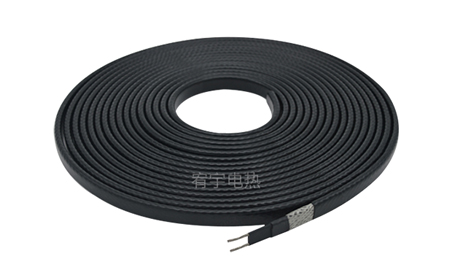
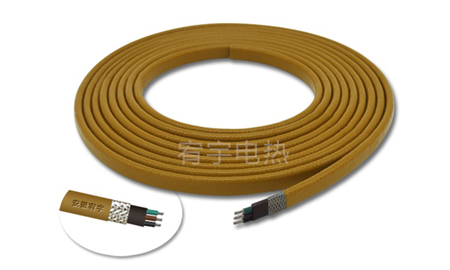
electric heating cable fixed on the outer wall of pipes. It delivers continuous mild heat to keep pipe surface temperature above freezing point. Some industrial grade pipe heating cable can maintain medium temperature above the freezing point for oil, wax and chemical liquids to ensure stable fluid transportation.
Two main types of pipe heating cable:
1. Self-regulating pipe heating cable: Most popular for water pipe anti-freeze. Automatically adjust heat output according to ambient temperature. Suitable for residential and general commercial pipes.
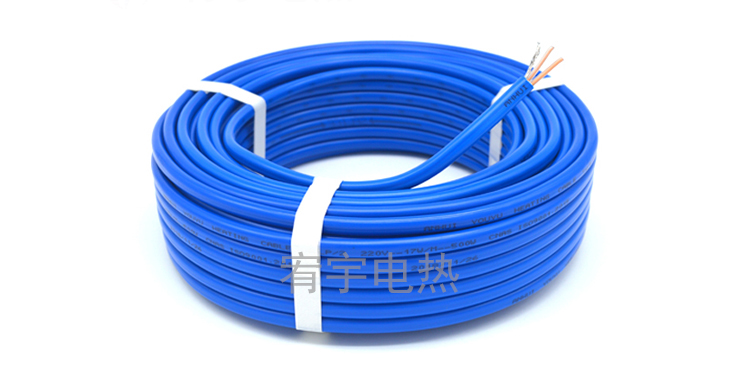
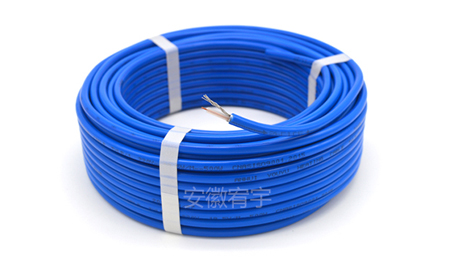
2. Constant wattage pipe heating cable: Stable fixed power output per meter, ideal for high-temperature industrial process pipeline temperature maintenance.
Core parameters you must check before purchase
1. Rated working voltage: 110V, 220V or 380V for industrial heavy-duty projects
2. Wattage per meter: typically 10W/m ~ 60W/m for conventional freeze protection
3. Minimum withstand temperature and maximum exposure temperature range
4. Outer jacket material: anti-UV, anti-corrosion, waterproof for harsh environments
5. Certifications: CE, RoHS, EAC, ATEX for explosive industrial environments
Installation steps for pipe heating cable
1. Clean pipe surface thoroughly, remove rust, dirt and sharp edges to prevent cable damage
2. Fix pipe heating cable along pipe surface with high-temperature aluminum tape
3. Install professional thermostat and temperature sensor on the pipe surface
4. Cover cable and pipe with thermal insulation layer to improve energy efficiency
5. Complete electrical connection and conduct power test before official use
Important tips: Do not overlap pipe heating cable during installation. Overlap areas will trigger overheating risks and shorten cable service life. Thermal insulation is essential to reduce long-term power consumption.
Compare pipe heating cable with other heating products
-
gutter heating cable: Designed exclusively for roof gutters, not suitable for long-term pipe surface contact.
- snow melting cable: High-power pavement deicing cable, excessive wattage for ordinary pipe freeze protection.
- electric heating mats for floors: Indoor floor heating mats made of thin electric heating cable, not applicable for pipeline scenarios. Cooperate with a professional Floor heating manufacturer for floor heating projects.
Procurement checklist for bulk order buyers
Always confirm product test reports, official warranty period and complete technical document support before bulk purchasing. For large industrial pipeline projects, cooperate with professional manufacturers instead of trading companies for stable quality and technical support.
FAQ
Q1: Can pipe heating cable work on plastic water pipes?
A: Yes, choose low-wattage self-regulating pipe heating cable to avoid overheating and pipe damage.
Q2: How much energy does pipe heating cable consume?
A: Power consumption depends on ambient temperature and working hours. Matching a thermostat can greatly save electricity costs.
Q3: Is pipe heating cable same as heat trace cable?
A: pipe heating cable belongs to heat trace cable / Trace heating cable series, but not all heat trace cables are suitable for pipeline use.
Our factory supplies certified pipe heating cable, heat trace cable, Trace heating cable, gutter heating cable, snow melting cable and electric heating mats for floors. As an experienced Floor heating manufacturer, we offer professional engineering support for all pipeline heat tracing projects.