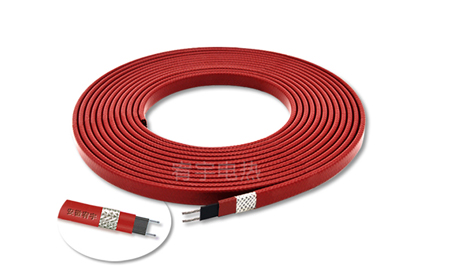
Many modern cold‑climate buildings deploy mixed‑configuration electric‑heating systems: indoor radiant floor heating with electric heating mats for floors, roof anti‑ice‑dam via gutter heating cable, plus pipeline freeze‑protection using pipe heating cable. These systems belong to the broad electric heating cable product family, alongside heat trace cable, Trace heating cable and pavement‑use snow melting cable. Mixed‑system projects combine indoor dry‑environment hardware and outdoor weather‑exposed hardware, bringing more possibilities for mis‑configuration and cross‑application mistakes. This article focuses on post‑commissioning inspection check‑points and real‑world failure FAQ, supporting residential multi‑family buildings, commercial complexes and partial industrial facilities. It also explains how to select a competent Floor heating manufacturer for multi‑product combined projects. For mixed‑scenario heating‑system reference, .

Post‑installation acceptance checklist for mixed‑heating projects
-
For electric heating mats for floors: Verify no heating‑wire cutting, no overlapping mat sections; complete continuity test record saved; no sharp object‑puncture damage before covering floor finishing material.
-
For pipe heating cable / heat trace cable: Confirm extra cable allowance added for valves and flanges; full pipe thermal‑insulation finished after cable laying; bending radius meets datasheet requirement.
-
For gutter heating cable: Confirm cable runs through every gutter segment and full downspout length; no nail/staple piercing cable jacket; UV‑resistant outer sheath intact; end‑termination seals are water‑tight.
-
For snow melting cable (if included in project): Insulation‑resistance test before and after concrete / asphalt pouring; cable does not cross concrete expansion‑joint gaps.
-
Controller & sensor check: Every temperature or snow sensor is installed at correct representative position; set‑points match project functional requirement; all GFCI and circuit‑breakers match load‑ampere rating.
FAQ Section
Q1: After one‑year operation, my electric heating mats for floors deliver weaker heating output than brand‑new status. What are possible reasons?
A: First, check if thick carpets or large heavy furniture now cover wide mat areas, blocking heat radiation. Second, inspect if under‑floor base insulation has degraded, increasing downward heat‑loss. Third, check thermostat calibration drift: sensor reading may deviate from real floor temperature after one‑year usage. If partial zones stay permanently cold, hidden internal heating‑wire damage from construction work is likely. For indoor floor‑heating systems, .
Q2: Why do both pipe heating cable and gutter heating cable degrade much faster than datasheet‑stated service life?
A: The top two causes are cross‑scenario mis‑application and environmental attack. If you install non‑UV‑resistant pipe heating cable on roof gutter, ultraviolet light quickly decomposes outer polymer jacket. Even correct‑model products will age prematurely if end‑caps or junction boxes are poorly sealed, letting humidity and moisture penetrate cable interior. Physical stress such as over‑sharp bending, crushing or stretching also shortens service life significantly. Always assign each product strictly to its designed working‑location.
Q3: For mixed‑indoor‑outdoor projects, can I use one unified controller to manage electric heating mats for floors, pipe heating cable and gutter heating cable all together?
A: Generally not recommended. Each system has different target‑temperature logic and working‑environment. electric heating mats for floors needs indoor‑comfort‑oriented temperature regulation; pipe heating cable focuses on keeping above freezing point for pipelines; gutter heating cable needs to react to roof‑surface ice‑forming conditions. Independent control loops with dedicated respective sensors provide safer and more energy‑efficient performance than one single shared controller.
Q4: What items should I verify with my Floor heating manufacturer before I sign off mixed‑system project acceptance?
A: Ask for complete product certification copies (CE, RoHS, EAC, ATEX for industrial zones), original factory test‑reports, installation acceptance check‑lists, and clear warranty scope distinguishing indoor‑use versus outdoor‑use components. Confirm which faults are covered under warranty: note that damage from wrong installation, cross‑product substitution and mechanical construction‑impact are normally excluded from warranty coverage. Professional Floor heating manufacturer can also provide after‑sales technical guidance for annual pre‑winter maintenance work. For multi‑product project consultation, .
Q5: What annual maintenance work should I run every autumn before winter arrives for mixed‑heating installations?
A: 1) Visual inspection of all cable routes, jackets, end‑seals and junction boxes. 2) Repeat continuity and insulation‑resistance testing for all heating loops. 3) Test every controller, temperature‑sensor and snow‑sensor function. 4) Repair or replace damaged pipe or roof thermal‑insulation material. 5) Clear debris from gutters where gutter heating cable is mounted. Regular pre‑winter maintenance catches latent faults before cold weather arrives.
Closing summary
For mixed‑use heating‑projects combining electric heating mats for floors, gutter heating cable, pipe heating cable and other variants of electric heating cable, strict post‑installation acceptance plus annual pre‑winter maintenance are essential to achieve expected service‑life and reliable winter‑protection performance. Never mix‑match products for environments they are not engineered for. Cooperate with a qualified Floor heating manufacturer to get correct product selection, installation guidance and warranty clarification for your residential, commercial or industrial project.