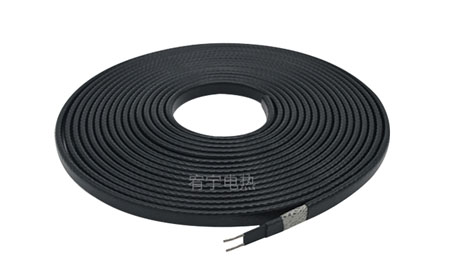
Unexpected circuit breaker or GFCI ground‑fault trips are among the most frustrating failures for users operating Trace heating cable, pipe heating cable or snow melting cable. Tripping cuts off heating power exactly when freeze‑protection or snow‑melting function is most needed, bringing pipe‑burst, ice‑dam and slippery‑pavement hazards. This article sorts major causes of circuit‑tripping faults, step‑by‑step diagnostic workflows, and preventive measures. It also references heat trace cable, gutter heating cable, electric heating mats for floors, the umbrella category electric heating cable, and key selection criteria for a reliable Floor heating manufacturer. For trace‑heating product range overview, .
Terminology note: Trace heating cable and heat trace cable are complete synonyms, all fault analysis applies equally to both naming variants.
Primary root‑causes of circuit‑tripping in electric heating systems
FAQ Section Q1: My pipe heating cable trips GFCI immediately right after power‑on. How should I start fault isolation? A: Immediately cut off power supply for safety. First complete visual inspection: look for scratch, puncture, crushed spots along full cable length; check end caps and junction boxes for water‑intrusion signs. Then separate cable from control accessories, test heating‑cable insulation resistance with megohmmeter tool. Low insulation‑resistance reading indicates jacket‑damage or water inside cable. If fault locates on a short damaged segment, replace that section; never operate damaged pipe heating cable continuously. For pipeline freeze‑protection hardware, .
Q2: Buried snow melting cable trips intermittently instead of tripping instantly. What are typical reasons? A: Intermittent tripping often comes from micro‑cracks in cable outer jacket. When melting snow water seeps into micro‑cracks under wet cold weather, ground‑fault triggers; when area dries out, circuit can temporarily work normally. This kind of hidden damage usually happens during concrete pouring installation phase, when sharp rebar or construction tools nick cable sheath. Once buried, you cannot repair local spots; damaged loop of snow melting cable normally requires full replacement. Always run insulation‑resistance test both before pouring concrete and after concrete curing, to catch damage early.
Q3: Can improper installation of gutter heating cable lead to repeated breaker trips? A: Yes. Common mistakes include nailing or stapling directly through cable outer sheath, over‑tight clamping that crushes jacket material, or incomplete sealing of cold‑lead wire transition joint. Roof environment is continuously exposed to rain and melting snow; any jacket breach lets water enter and trigger ground‑fault protection. Never use ordinary fasteners that pierce cable body; use manufacturer‑approved special mounting clips for gutter heating cable.
Q4: What preventive steps reduce tripping risk for electric heating mats for floors indoor heating projects? A: Avoid piercing mat surface with nails or screws during subsequent flooring work. Do not step heavily or drop sharp construction tools directly onto un‑protected mats. Complete continuity and insulation‑resistance testing before laying tile or wood flooring. Use circuit breaker and GFCI device matching total mat‑system ampere draw. If multiple mats are installed, split them across multiple circuits instead of loading all mats onto one single circuit.
Q5: When purchasing heating‑cable products, what points should I check with my Floor heating manufacturer to lower future tripping‑fault probability? A: Confirm the outer‑jacket material is fit for your exact installation environment: UV‑resistant for roof, high‑mechanical‑strength for pavement‑buried application. Request installation guidelines describing correct termination sealing, allowed mounting‑clip types, minimum bending radius, and recommended electrical protection specifications. Reliable Floor heating manufacturer will warn against installation practices that can damage cable sheath. For qualified full‑range heating‑system supply, .
Safe troubleshooting reminder Never bypass GFCI or circuit‑breaker protective devices in order to avoid tripping. Bypassing safety protection creates severe electric‑shock and fire hazards. Always isolate power supply before you inspect cables and junction boxes. If you cannot locate fault source, invite licensed electrician or factory‑technical support to assist diagnosis.
Final advice Circuit‑ground‑fault tripping is a protective alarm signal, not a minor nuisance. It indicates potential insulation damage or moisture hazard inside your Trace heating cable, pipe heating cable or snow melting cable system. Investigate root‑cause promptly instead of repeatedly resetting breakers, to prevent safety risks and larger follow‑on property damage.