Traditional heating methods such as air conditioners and radiators have obvious drawbacks: uneven heating, dry air, high energy consumption, and occupying indoor space. In recent years,
electric heating mats for floors have become the first choice for home renovation and commercial space heating due to their advantages of uniform radiant heating, energy saving, environmental protection, and no space occupation. However, many beginners lack professional knowledge and often encounter problems such as unsuitable floor materials, unreasonable power selection, and installation failures.
This guide will systematically answer common questions from users, help you correctly understand electric heating mats for floors, avoid purchasing and installation pitfalls, and maximize the heating effect and service life of the system. First of all, we need to clarify the working principle of floor heating mats: the pre-arranged heating cables inside the mat convert electric energy into heat energy, and conduct heat evenly upward through the floor, realizing the whole-house constant temperature heating from bottom to top, which is more in line with human body temperature perception habits.
The first key point for purchasing is power matching. The power of conventional electric heating mats for floors is divided into 100W/㎡ and 130W/㎡. For southern regions with mild winters and well-insulated rooms, 100W/㎡ low-power mats can meet daily heating needs and save electricity costs; for northern cold regions, high-rise buildings with poor insulation, and bathrooms with large heat loss, it is recommended to choose 130W/㎡ high-power products to ensure stable heating effect.
Floor material compatibility is the second core factor that cannot be ignored.electric heating mats for floors are suitable for ceramic tiles, marble, engineered wood flooring, and luxury vinyl flooring. It is not recommended to use them with solid wood flooring, because the alternating cold and heat will easily cause the wood to deform, crack, and gap. Before renovation, you must confirm the compatibility of floor materials and heating systems to avoid unnecessary renovation losses.
Many users will ask, what is the difference between floor heating mats and other heating cable products? Electric heating cable is the basic raw material for all heating products. In addition to being made into floor heating mats, it can also be processed into
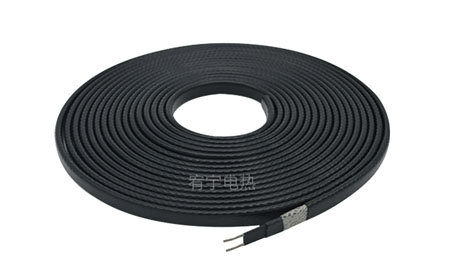
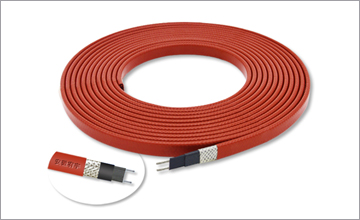
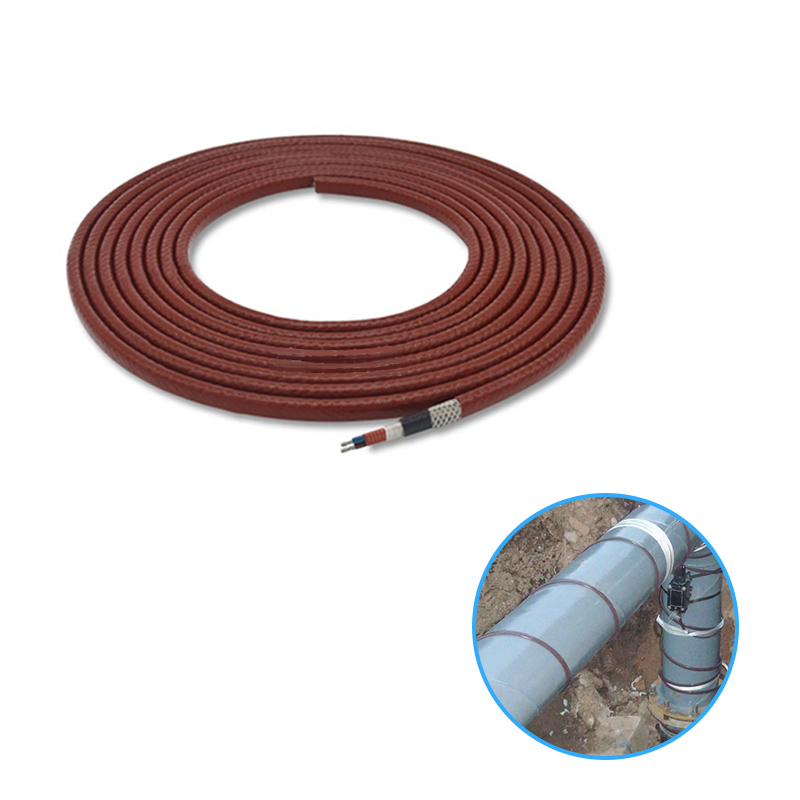
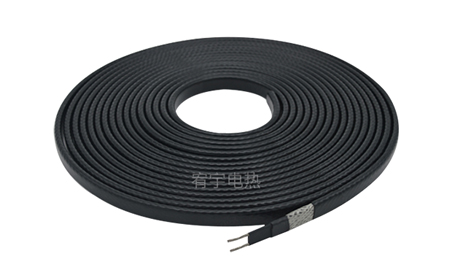
pipe heating cable for pipeline anti-freezing, gutter heating cable for roof anti-icing, and snow melting cable for outdoor pavement deicing. Different product forms correspond to completely different application scenarios and cannot be used interchangeably.
Installation standard directly determines the service life of the heating system. As a mature
Floor heating manufacturer, we summarize that 70% of floor heating system failures come from non-standard installation. When layingelectric heating mats for floors, it is forbidden to cut, pierce or fold the heating area at will. The mats need to be laid flat on the insulated mortar layer, with uniform gaps, and the circuit connection must be operated by a professional electrician to ensure electrical safety.
In terms of cost performance, although the one-time installation cost of electric floor heating mats is slightly higher than traditional heating, the later use cost is lower. Equipped with a smart thermostat, users can set timed heating and zoning heating, only heating the used space, which can save 30%-40% of electricity consumption compared with air conditioning heating. At the same time, high-quality electric heating mats for floors have a service life of more than 20 years, with almost no maintenance cost in the later period.
In terms of safety, regular products have passed CE, ROHS, FCC and other international safety certifications, with leakage protection, overheating protection and other functions, which are safe and reliable for long-term use. Many low-cost inferior products on the market have unqualified insulation performance, which is prone to electric leakage and overheating risks, so users must choose formal manufacturers’ products.
For users with multi-scenario needs, one-stop procurement is more convenient. While purchasing indoor heat trace cable supporting facilities, you can simultaneously customize outdoor anti-freezing and deicing products to realize unified after-sales guarantee. Professional manufacturers provide free design services, tailor mat size and power according to room area, pattern and usage scenario, avoiding material waste and heating failure caused by improper matching.
To sum up, the correct selection and installation of electric heating mats for floors can bring comfortable, energy-saving and safe heating experience for families and commercial spaces. Grasping the two key points of power matching and floor compatibility, and choosing formal certified products are the core of ensuring the long-term stable operation of floor heating systems.