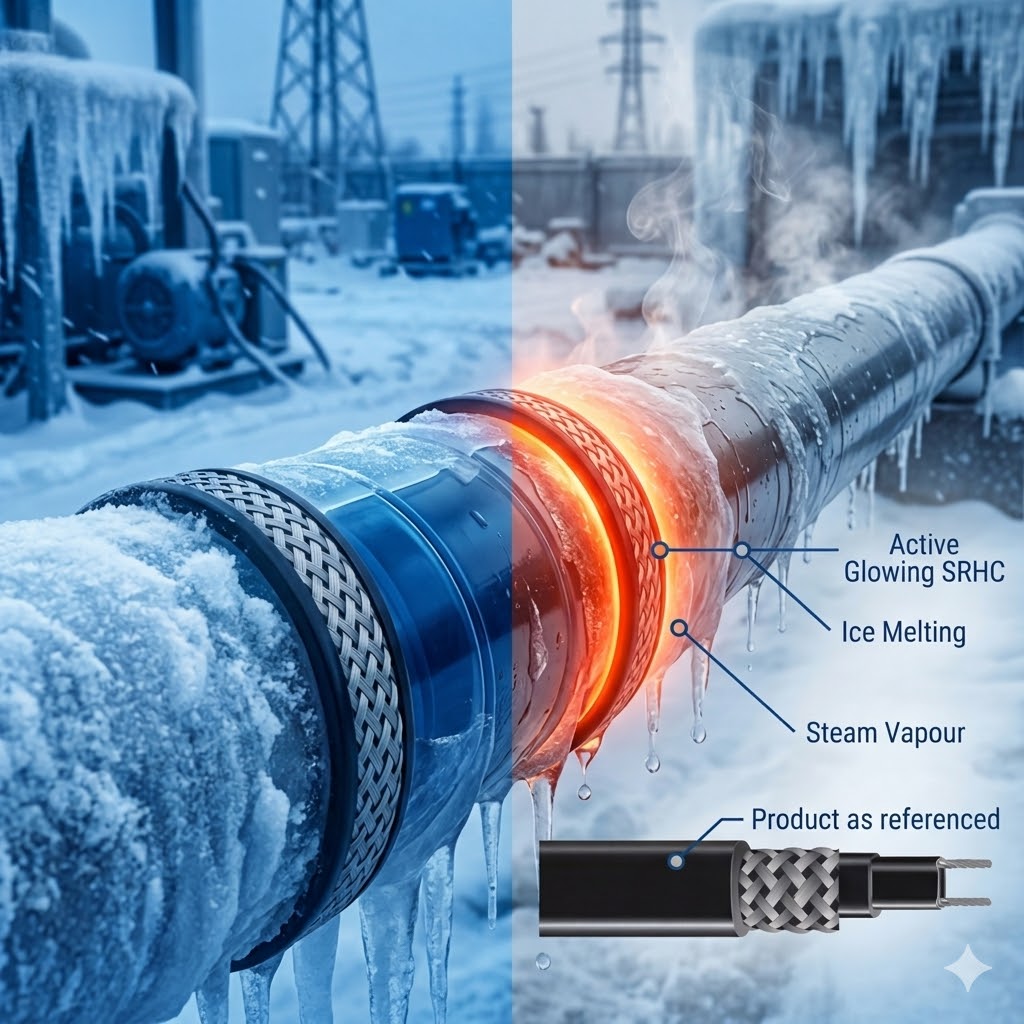
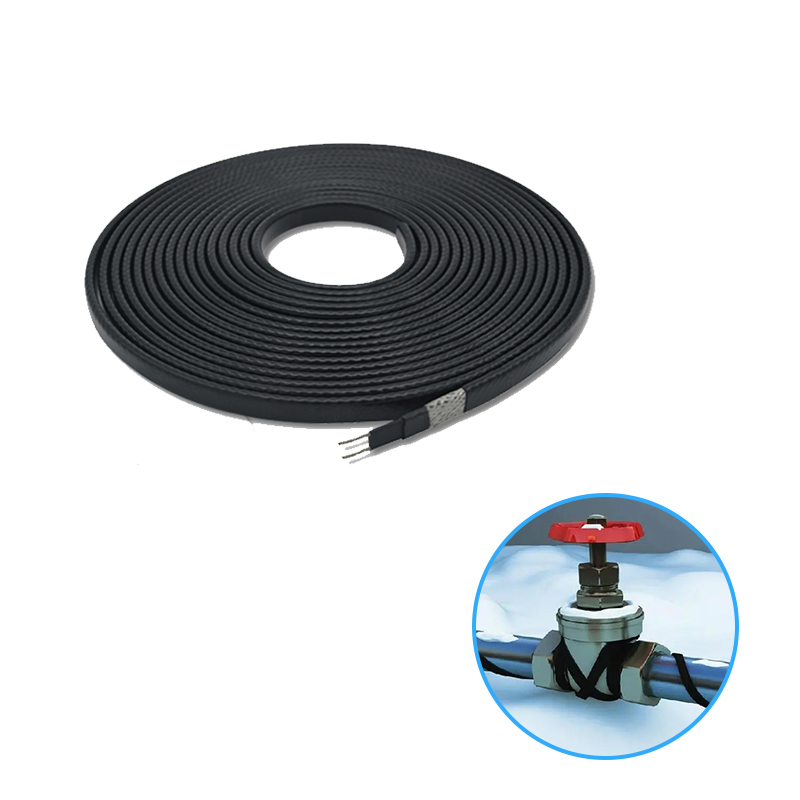
heat trace cable and Trace heating cable systems are long-term running equipment for winter anti-freezing and temperature maintenance. Scientific daily inspection and seasonal maintenance can effectively extend the service life of pipe heating cable,
gutter heating cable and snow melting cable, avoid sudden system failure in winter, and reduce repeated procurement and maintenance costs.
Pre-winter seasonal inspection (Annual mandatory)
1. Appearance inspection: Check whether the cable outer jacket is cracked, peeled, aged or damaged, and replace damaged cables in time
2. Circuit detection: Use professional instruments to test cable resistance and insulation performance to ensure no short circuit or leakage hidden dangers
3. Connection inspection: Check whether the junction box, wiring terminals and plugs are loose, oxidized or damp
4. Accessories debugging: Test the sensitivity of thermostats and temperature sensors to ensure automatic temperature control works normally
5. Fixed inspection: Check the fixing firmness of gutter heating cable and snow melting cable to prevent falling off
Daily use maintenance rules
Do not manually bend the cable sharply or step on the cable frequently during use. Avoid covering the heating cable with heavy objects for a long time. For pipeline pipe heating cable, keep the outer thermal insulation layer intact to prevent cable overheating and energy waste. For outdoor heating cables, clean accumulated snow and debris regularly to avoid long-term pressure and corrosion.
Seasonal shutdown maintenance
After the end of winter every year, cut off the power of the heating system completely. Clean the cable surface dust and dirt, check the aging degree of the outer jacket, and dry the damp wiring parts. For long-term unused systems, do not disassemble the cables at will to avoid line damage, and keep the installation environment dry and ventilated.
Common faults and quick troubleshooting
Fault 1: No heating after power on
Causes: Loose wiring, damaged cable core, thermostat failure. Solutions: Check circuit connection, test cable continuity, replace faulty thermostat accessories.
Fault 2: Local overheating of cable
Causes: Cable overlapping installation, local extrusion and damage. Solutions: Rearrange cable layout, eliminate overlapping parts and damaged sections.
Fault 3: Rapid aging of outdoor cable
Causes: Using non-UV-resistant cable outdoors, lack of protective measures. Solutions: Replace with professional gutter heating cable and do a good job of outdoor protection.
Fault 4: High power consumption
Causes: No thermostat matching, damaged thermal insulation layer. Solutions: Install intelligent temperature control equipment and repair thermal insulation materials.
Maintenance taboo reminder
Do not disassemble industrial explosion-proof heat trace cable privately. Do not repair damaged cables with ordinary insulating tape. Do not use unqualified replacement accessories to avoid secondary safety hazards.
FAQ
Q1: How many years can a well-maintained heat trace cable last?
A: Standard maintained heat trace cable and trace heating cable can work stably for 10-20 years.
Q2: Does indoor electric heating mats need regular maintenance?
A: Regular circuit inspection is recommended before each heating season to ensure safe operation.
Q3: Can damaged heating cables be repaired on site?
A: Minor damage can be repaired with professional accessories; severely damaged cables need to be replaced as a whole.
We provide high-quality full-series heat trace cable, trace heating cable, pipe heating cable, gutter heating cable, snow melting cable and electric heating mats for floors, with professional after-sales maintenance guidance and technical support.