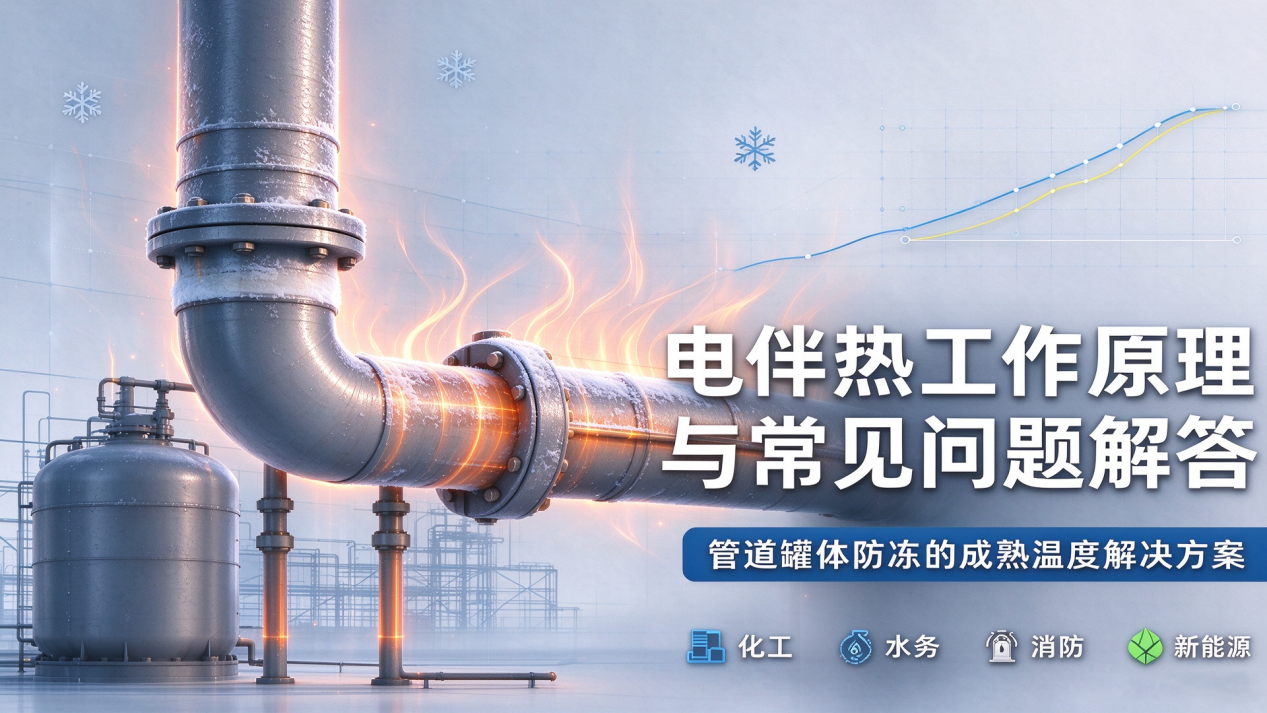
As temperatures drop, freeze protection for pipelines and tanks becomes a top concern for many engineering professionals. As a mature and reliable thermal insulation solution, electric heat tracing is widely used in chemical, water treatment, fire protection, new energy, and other projects. However, many people still have only a partial understanding of how it works.
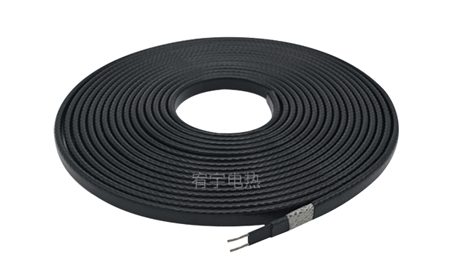
Electric heat tracing does not actively "roast" an object hot; rather, it compensates for heat loss. Taking the commonly used self-regulating heat tracing cable as an example, it contains a special PTC (Positive Temperature Coefficient) polymer heating cable. When powered on, electrical energy is converted into thermal energy. The lower the ambient temperature, the lower the material's resistance, and the greater the heat output. As the temperature rises, the resistance automatically increases, causing the power output to decrease and achieving self-regulating temperature control. This means it doesn't always rely on a thermostat, which is its biggest difference from ordinary heating wires. Simply put, it's like putting a恒温 (constant-temperature) insulating coat on a pipeline that automatically adjusts its "thickness."
Here are answers to some frequently asked questions from our clients:
Can heat tracing cables be overlapped?
For self-regulating heat tracing cables, moderate crossing is generally acceptable. However, constant-wattage heat tracing cables must never be overlapped, as this can cause heat buildup and damage the outer sheath. It is crucial to distinguish between the types during selection and installation.
Does it consume electricity continuously once powered on?
Not necessarily. For self-regulating products, power consumption decreases once the target temperature is reached. Additionally, proper insulation cladding can effectively reduce energy consumption.
How long is its service life?
Under standardized installation and proper maintenance, qualified products can typically operate stably for 10 years. Inferior materials or non-compliant construction practices will significantly shorten their lifespan.
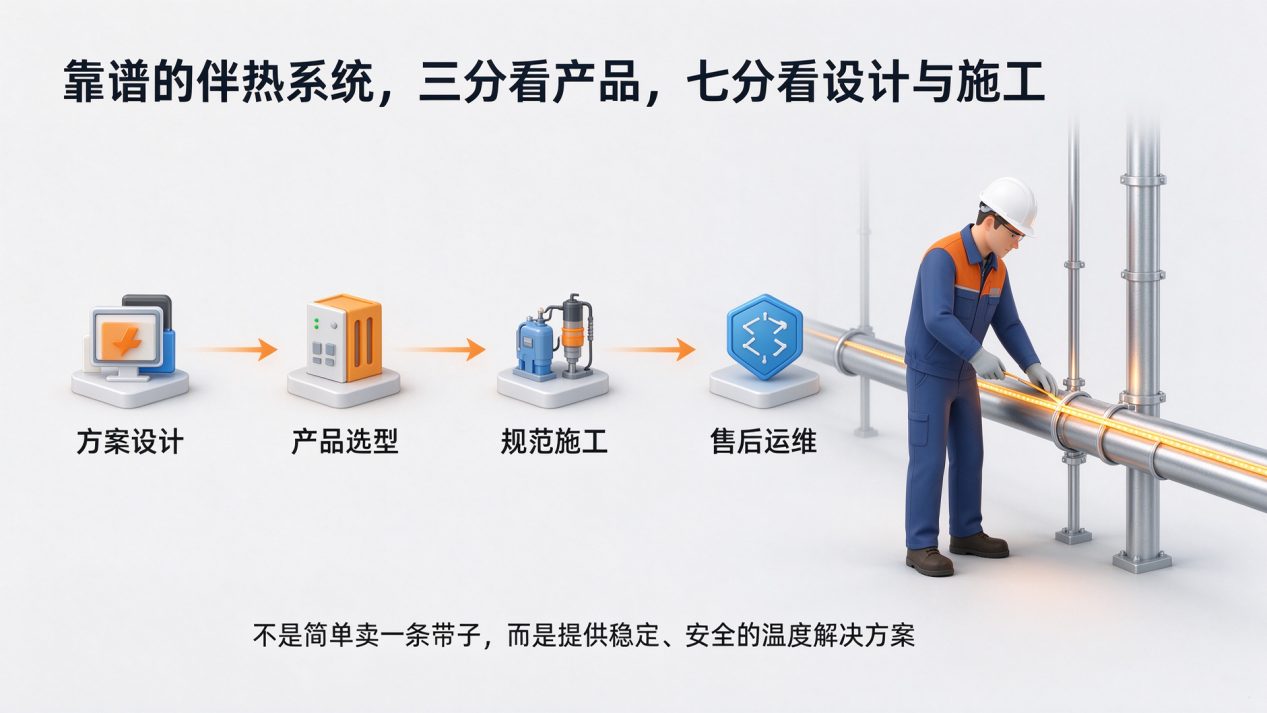
Having been deeply involved in this industry for many years, we have found that a reliable heat tracing system is 30% about the product and 70% about design and installation. We firmly believe that electric heat tracing is not just about selling a strip of cable, but about providing a stable and safe temperature control solution. If you have any project-related questions, feel free to reach out to Youyu Electric Heating for discussion and consultation.