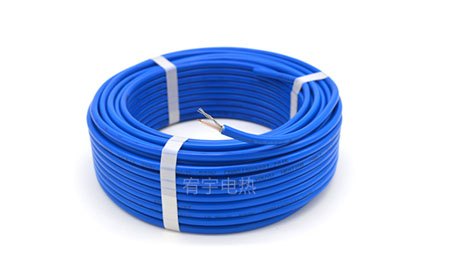
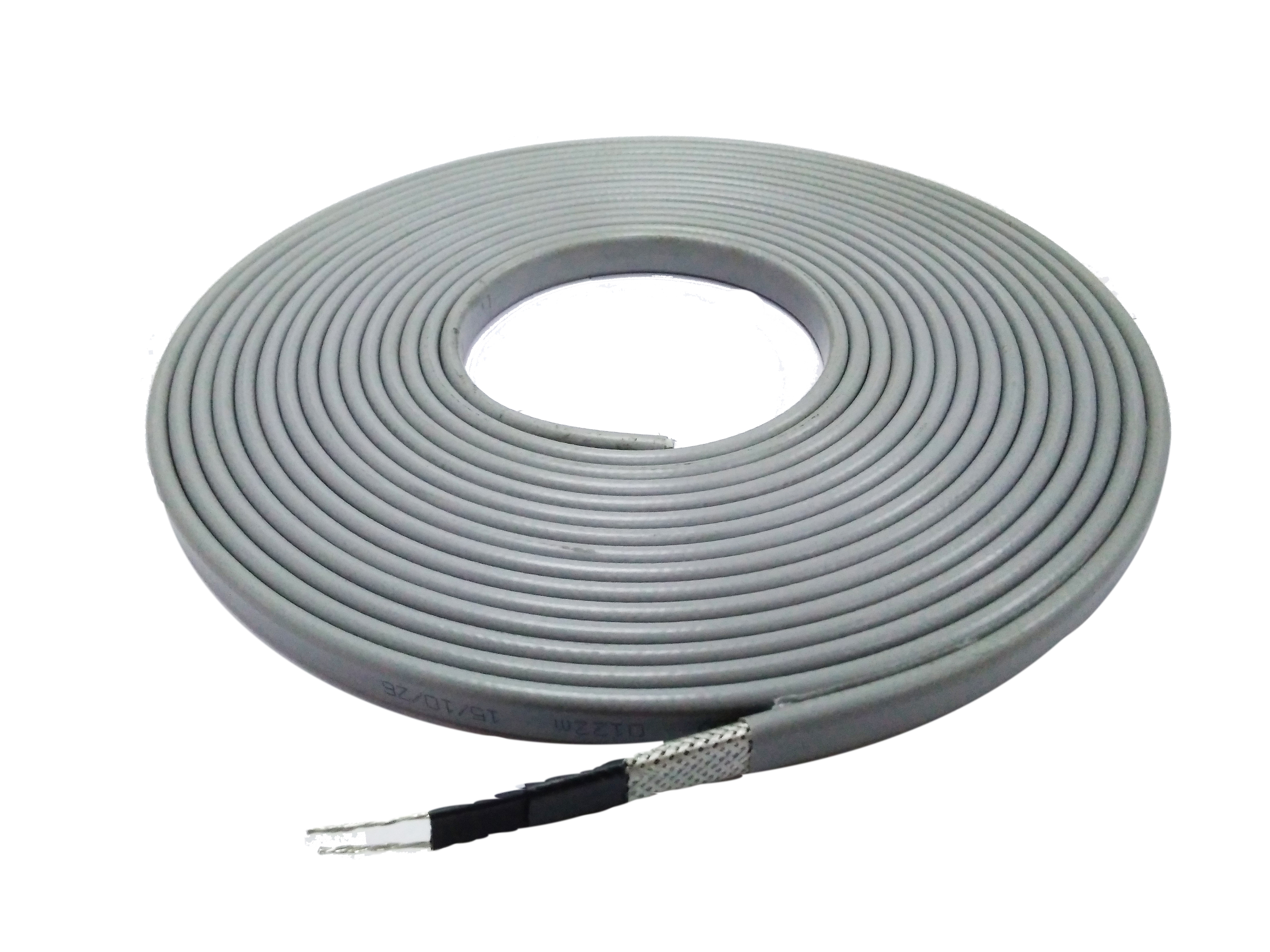
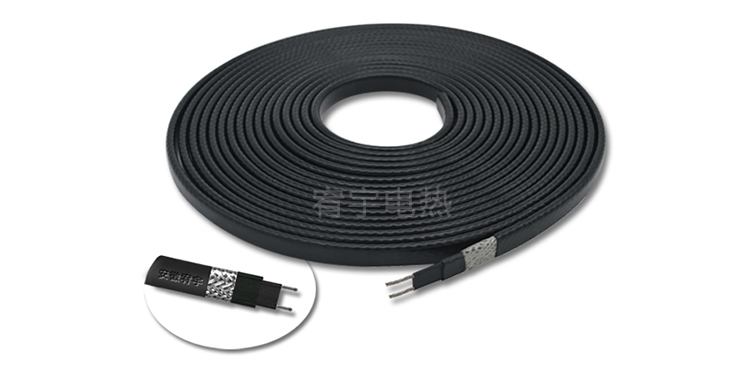
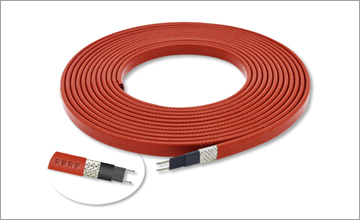
Incidents of heat tracing cable catching fire occasionally occur, often stemming from overlooked details in daily operations. As a critical component in preventing freezing and maintaining insulation for pipelines and equipment, its safety not only impacts operational efficiency but directly affects life and property security. With years of industry expertise, our company consistently prioritizes safety as the foundation of all warmth. Below, we outline four common causes of fires to help you prevent potential hazards before they arise.
I. Improper Installation: Hazards Embedded from the Start
Mechanical damage is a common trigger—excessive bending, dragging, or scratches from sharp objects can compromise internal structures, leading to localized short circuits and overheating. Additionally, overlapping constant-power heating cables or failing to use dedicated explosion-proof terminal boxes at ends can cause heat buildup or moisture-induced short circuits.
Recommendation: Adhere to “parallel installation with constant-power heating cables avoiding crossovers.” Ensure professional, standardized installation using matched accessories—never compromise.
II. Mismatched Selection: Inherent Risks from “Insufficient Design”
Heating cables are not universal components and require precise selection based on operating conditions. Excessive power can cause abnormal surface temperatures and accelerate insulation aging. In humid or dusty environments, insufficient protection ratings allow moisture and contaminants to penetrate, triggering short circuits.
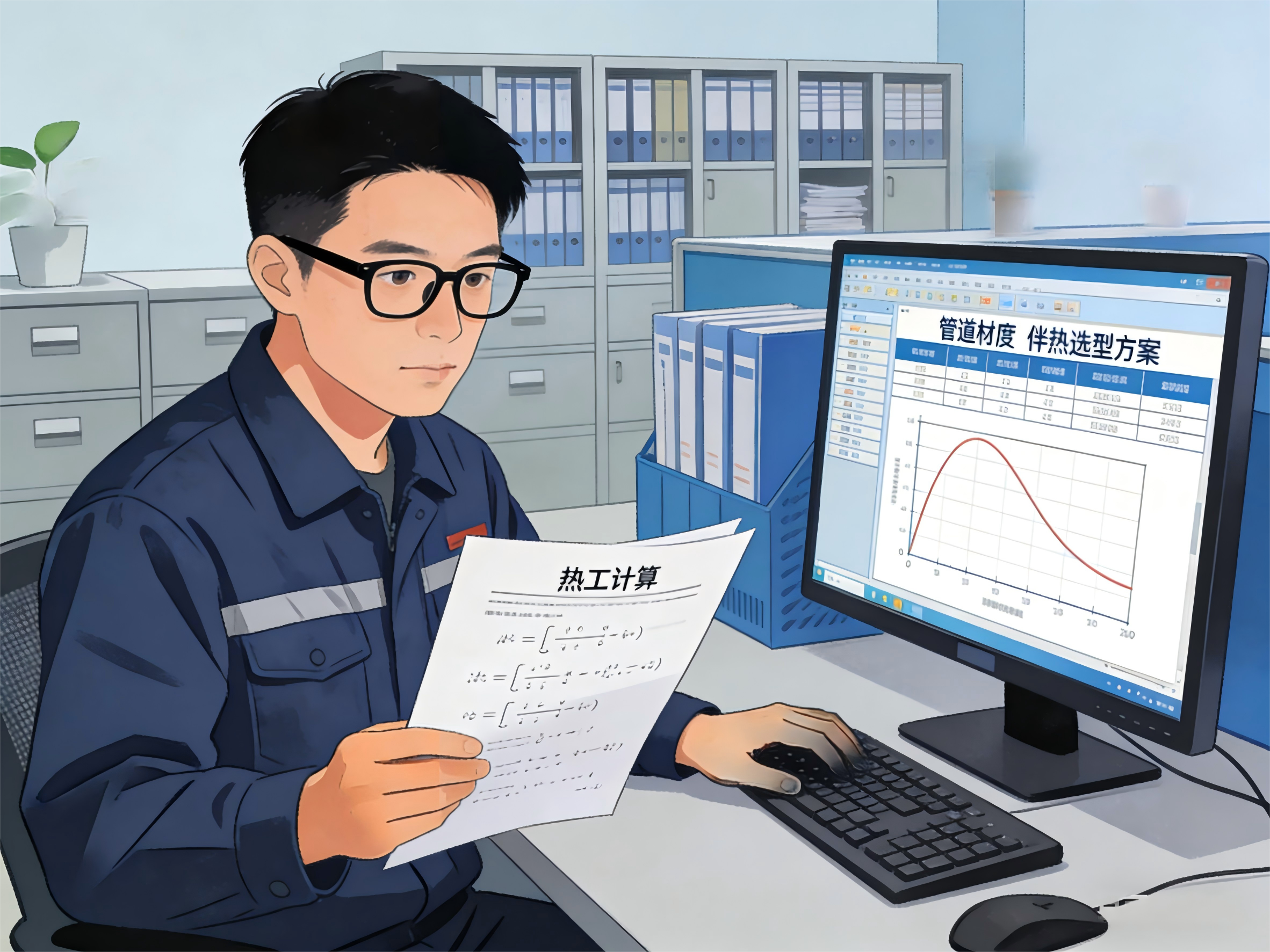
Reminder: Selection should comprehensively consider environmental temperature, pipe material, target temperature, and other factors. Rely on professional teams for thermal calculations and scenario-based recommendations to ensure system compatibility.
III. Component Failure: Small Details Lead to Big Problems
Component malfunctions such as loose junction box seals or faulty thermostats often directly cause system failures. Hidden dangers like aged seals or stuck contacts may result in continuous heating or short-circuit sparks.
Key Point: Component quality directly impacts system safety. Selecting reliable, compatible parts and maintaining regular inspections form the foundation for long-term safe operation.
IV. Neglected Maintenance: Silent Accumulation of Risks
Heating systems require ongoing attention. Issues like damaged insulation, water ingress in thermal layers, and terminal corrosion gradually accumulate over time, potentially evolving into fire hazards.Recommendation: Establish a regular inspection protocol, especially around seasonal transitions. Conduct systematic checks on insulation resistance, temperature control functionality, and visual integrity, promptly replacing aged components.
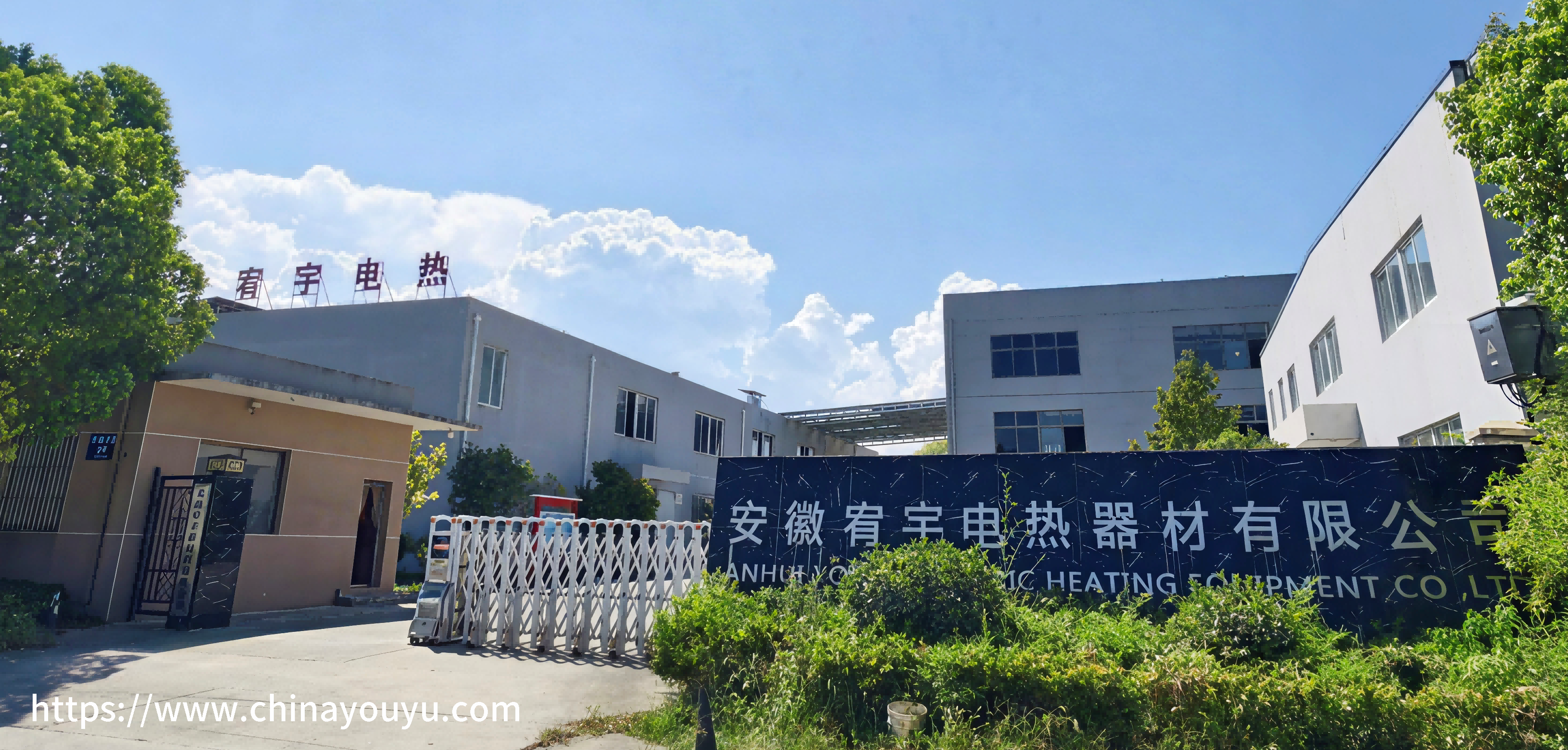
Safety is no small matter; professionalism defines responsibility. At Youyu, safety isn't just a product standard—it's a commitment woven into every aspect of design, service, and long-term support. With solid technology and meticulous care, we empower every user to enjoy a warm, worry-free winter.
Should you have any questions during selection, installation, or maintenance, we're always open to discussion. Together, we safeguard every journey toward warmth.