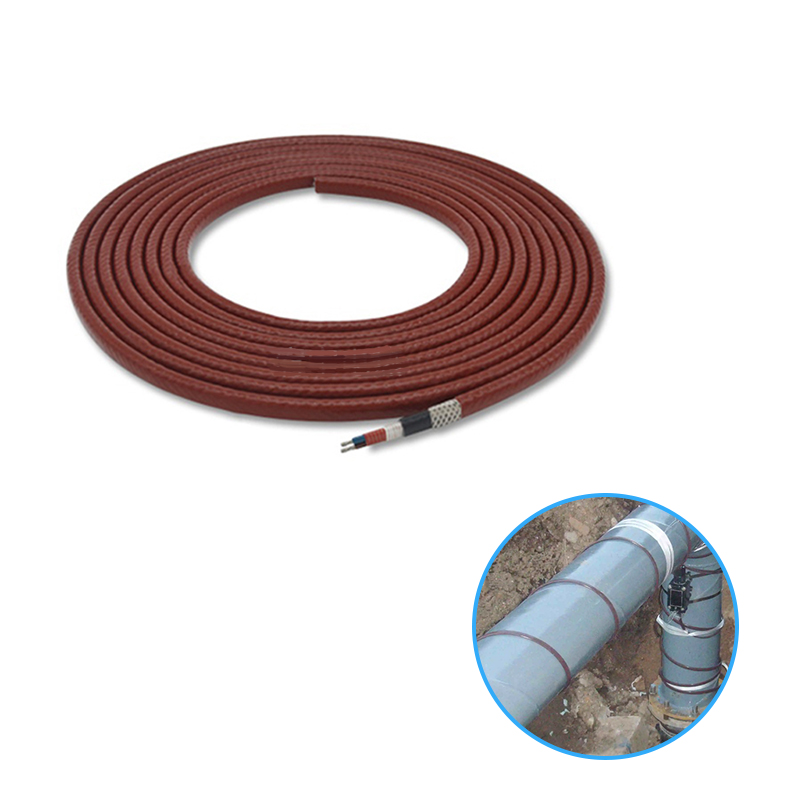
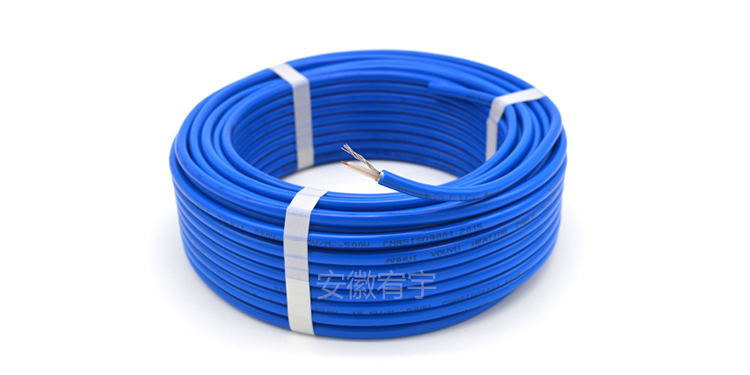
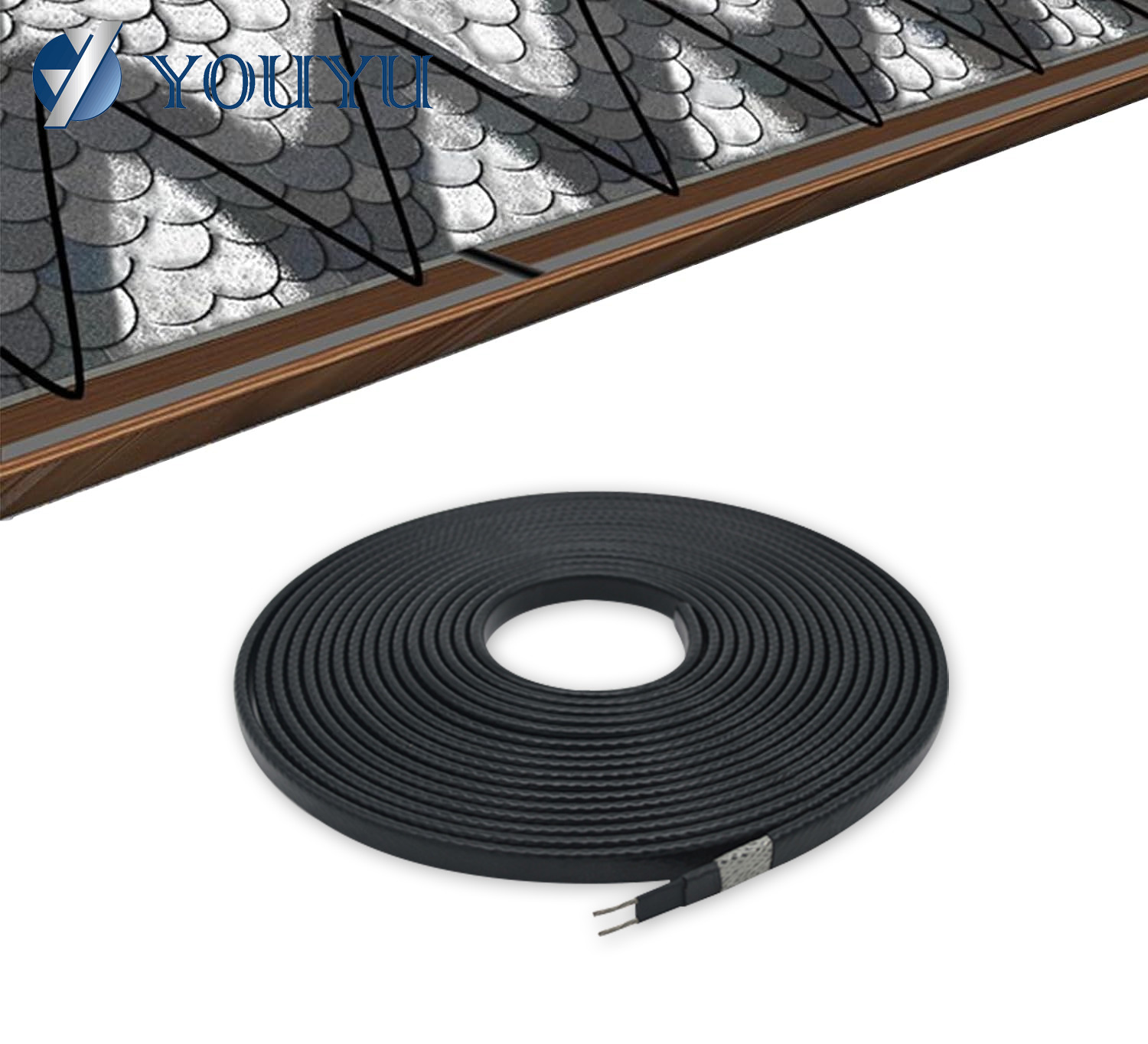
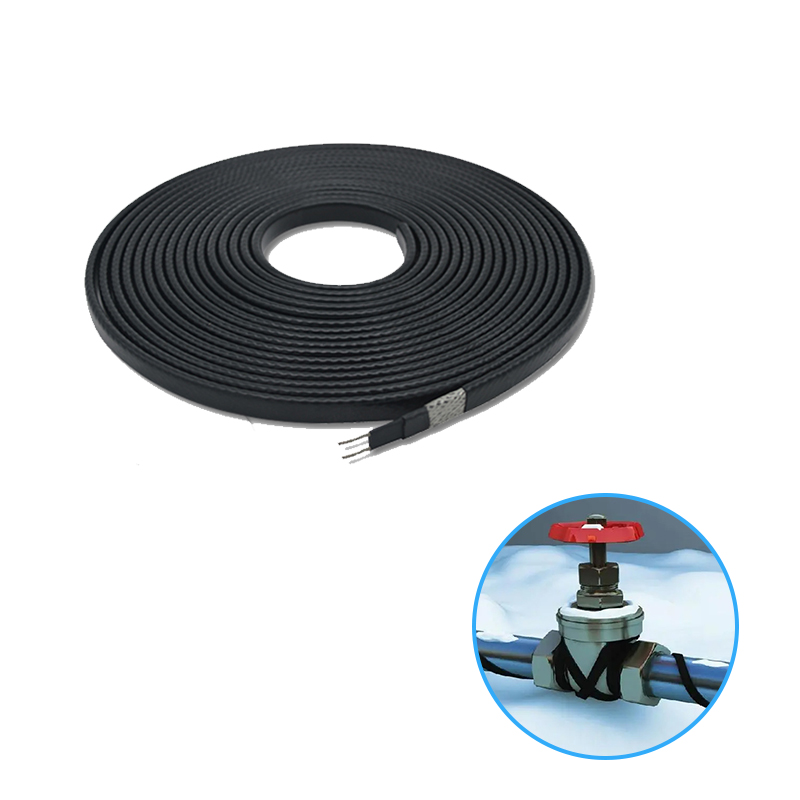
In demanding industrial sectors such as aerospace, nuclear power, petroleum, and chemical engineering, pipeline freeze protection and process heat tracing are critical. MI armored heating cables play a pivotal role in safeguarding the stable operation of these industrial “arteries.”
Featuring a robust metal sheath, it delivers exceptional performance with high-temperature resistance, corrosion resistance, and explosion-proof capabilities. However, even the most reliable equipment requires proper installation to function effectively. Let's explore the core installation principles for MI armored heating cables.
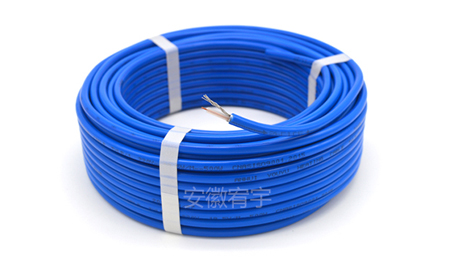
Standard Installation: Keep These Key Points in Mind
Core Requirements for Flawless Performance:
1. Allow Sufficient Bending Space: The armored structure of MI heating cables makes them susceptible to damage from excessive bending. During installation, strictly adhere to the product's specified minimum bending radius to prevent internal structural damage caused by over-bending, which can compromise service life and safety.
2. Ensure Sealing at Terminals and Connections: Both heating cable ends and any intermediate connection points must be processed using dedicated sealing junction boxes. This is crucial for maintaining insulation strength and achieving moisture-proof and explosion-proof functionality—no shortcuts allowed.
3. Conduct rigorous post-installation testing: After heating cable installation and securing, measure insulation resistance with a megohmmeter before energizing to verify intact insulation performance. This is an essential step for verifying installation quality and ensuring safe commissioning.
Install the “Do Not” Zone to Avoid Potential Risks:
1. Do not apply excessive pulling or dragging force: During installation, ensure even force distribution and avoid using brute force to pull cables. Rough handling may cause unseen internal damage to heating cables, creating safety hazards.
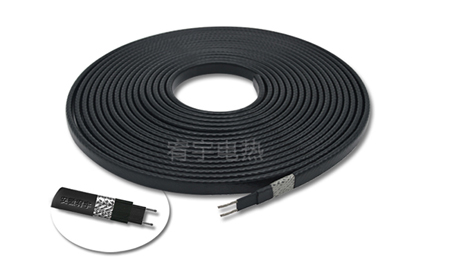
2. Never install with exposed live wires: Absolutely do not energize the power supply before completing terminal sealing! The cable's metal sheath is conductive, and doing so will cause serious safety incidents.
3. Never neglect secure fastening: Especially in long-distance pipe tracing applications, use appropriate fastening straps or clamps to securely anchor the cable tightly against the pipe surface. This ensures efficient heat transfer and prevents localized overheating or uneven heating caused by loose connections.
MI armored heating cable is a silent yet powerful guardian. Only through meticulous installation can it provide continuous, stable, and safe thermal energy protection for critical projects and industrial facilities in unseen areas. We hope this installation guide proves helpful. Please save and share it to spread rigorous workflows further!