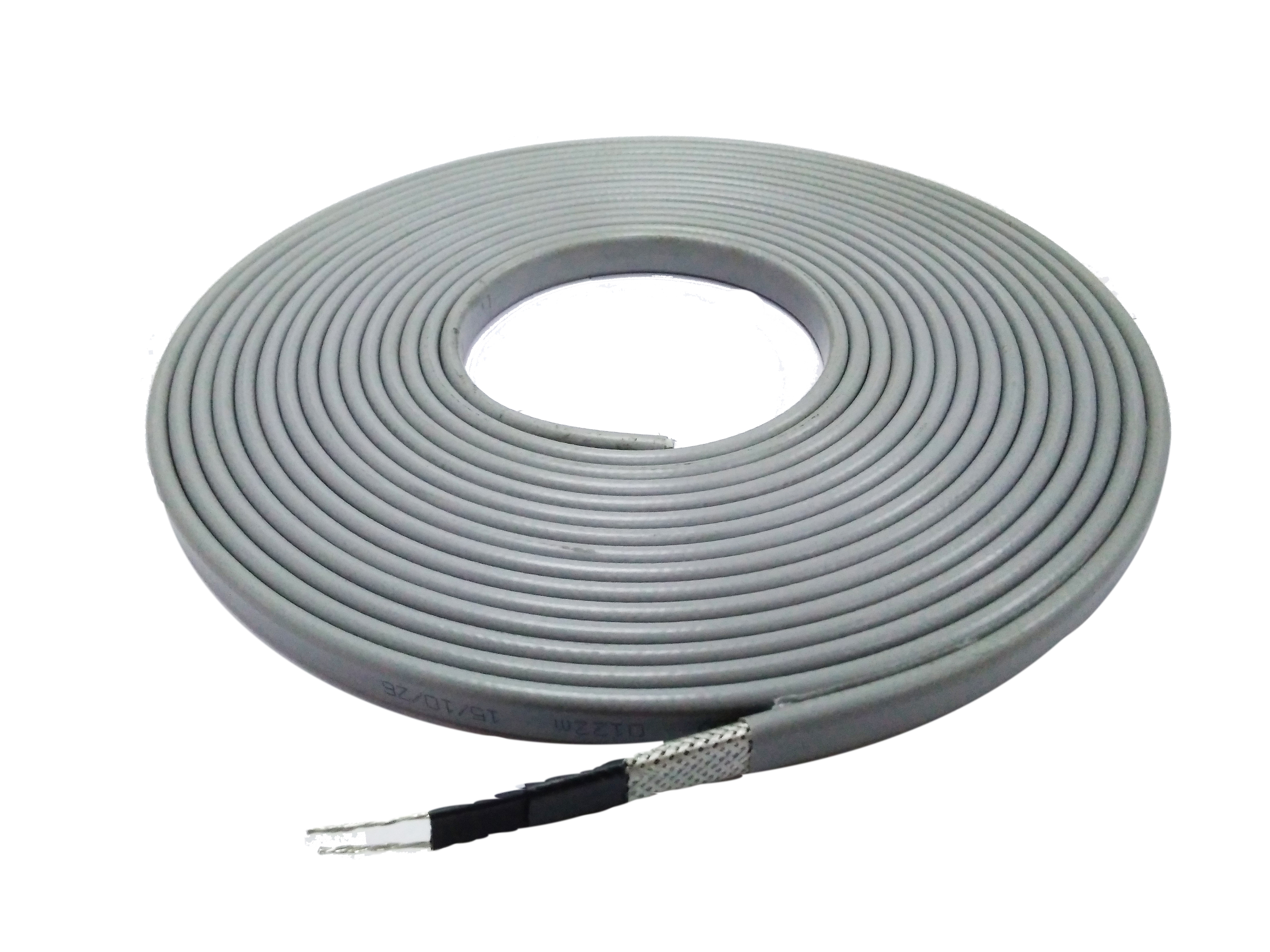
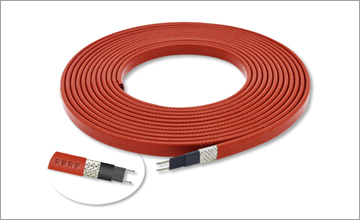
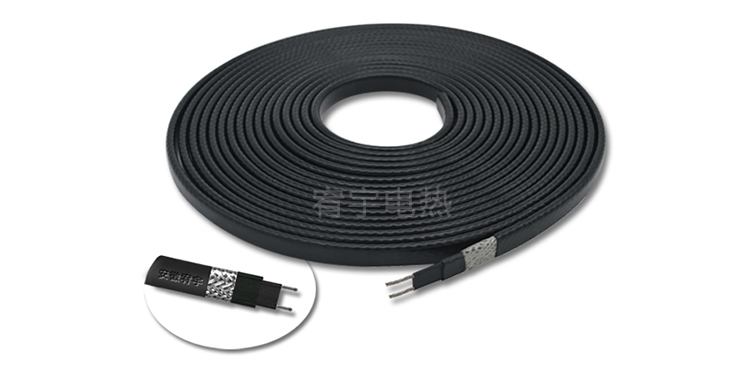
In industrial and daily applications, electric tracing and electric heating are frequently mentioned, yet many confuse the two. As a company specializing in electric tracing R&D, manufacturing, and comprehensive solutions, Yoyo Electric Heating must emphasize: These technologies differ significantly. Arbitrary substitution not only compromises performance but may also create safety hazards. Strict differentiation is essential!
I. Core Differences: Fundamentally Distinct Applications
The core distinction lies in their “different purposes,” which directly defines their applicable scenarios:
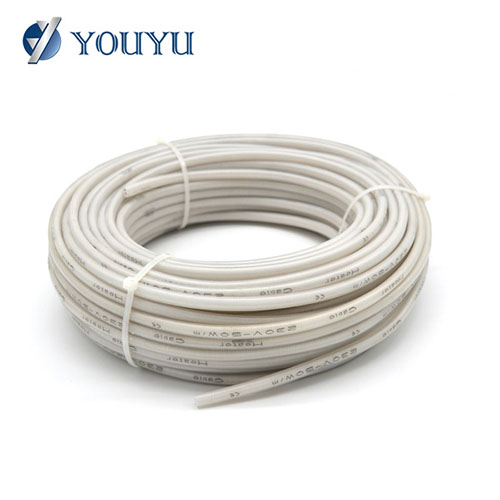
Electric Heat Tracing: Designed for “temperature maintenance,” it relies on self-regulating/constant-power heating elements to supplement heat at low power levels, ensuring stable medium temperatures in pipelines, equipment, etc. (e.g., preventing petroleum pipeline solidification or fire protection pipe freezing). It does not aim for significant temperature increases.
Electric Heating: Designed for “rapid heating,” it generates eddy currents through high-frequency currents to achieve short-term heating at high power (e.g., metal smelting, instant water heating). It cannot maintain stable long-term temperature control.
II. Safety Hazards: Misuse Leads to Severe Consequences
Confusing the two can easily cause accidents and economic losses:
· Replacing electric tracing with electric heating: Continuous high-power heating can cause pipelines to overheat, potentially leading to medium degradation, pipeline aging and cracking, or even triggering fire hazards due to localized high temperatures.
· Replacing electric tracing with electric heating: Low power fails to meet rapid heating demands. For instance, slow temperature rise during industrial melting not only delays production but may also result in product scrap due to substandard temperatures.
III. Choosing the Right Product Is Key
Product selection must align with “actual needs” to avoid blind choices:
Assess requirements: Opt for electric trace heating for long-term stable temperature control (e.g., pipeline insulation), and choose electric heating for rapid temperature elevation (e.g., industrial heating).
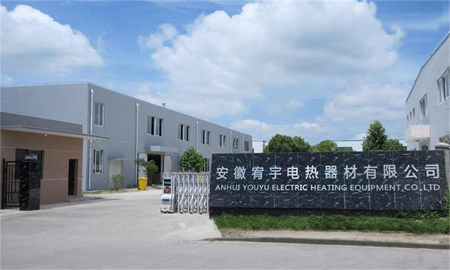
Consider expertise: Prioritize companies with deep experience in electric heating cable factory to ensure product suitability for specific scenarios. As a professional electric heating equipment manufacturer, Anhui Youyu's electric trace heating products offer advantages like automatic temperature control, flexible installation, and energy efficiency. They have helped numerous enterprises avoid misapplication risks and solve practical insulation challenges.
Evaluate service: Choose brands that provide scenario-based solutions to avoid one-size-fits-all product selection and minimize potential issues later.