4 Seasons Usage of Heating Cable System: Year-round Operation & Maintenance Guide
Views :
Update time : 2026-10-12 14:23:02
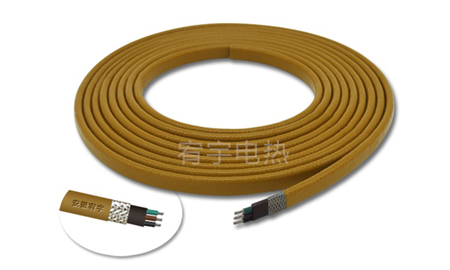
Most users only use heat trace cable, trace heating cable and heating cable systems in winter, and ignore spring, summer and autumn maintenance and protection. Seasonal alternating temperature, rainwater erosion, sunlight UV irradiation and dust accumulation will accelerate cable aging and reduce system stability. This article introduces the four-season scientific use and maintenance scheme of heating cable systems.
Winter: Core operation season (December-February)
Winter is the main working period for all heating systems. pipe heating cable works for pipeline anti-freezing, gutter heating cable prevents roof ice dams, snow melting cable ensures pavement safety, and electric heating mats for floors provide indoor warmth.
Winter key maintenance: Check thermostat sensitivity every week, clean snow and dust on cable surface in time, ensure no cable extrusion and damage, and monitor circuit operation status in real time.
Spring: Transition maintenance season (March-May)
After winter heating ends, completely cut off the system power. Clean the dust, snow residue and dirt on the surface of heat trace cable and accessories. Check the outer jacket for aging and damage caused by winter low temperature and snow pressure. Dry the damp wiring parts to prevent mold and corrosion.
Spring is the best time for annual overhaul. Complete circuit resistance test, insulation performance detection and accessory aging inspection to eliminate hidden dangers in advance.
Summer: Anti-aging protection season (June-August)
Summer high temperature and strong UV radiation are the main causes of outdoor heating cable aging. Outdoor gutter heating cable and snow melting cable need key sun protection and rain protection. Avoid long-term direct sunlight exposure and rainwater soaking.
Summer maintenance focus: Check whether the cable protective layer is intact, repair damaged waterproof and sun-proof layers in time, and keep the installation environment dry and ventilated to prevent high-temperature aging and mildew.
Autumn: Pre-operation preparation season (September-November)
Before the arrival of winter, complete the full-system pre-inspection. Test the heating function of trace heating cable in advance, debug thermostats and sensors, replace aging accessories, and supplement thermal insulation materials. Fully prepare for winter peak operation to avoid system failure in cold weather.
Year-round unified maintenance taboo
Do not expose outdoor heating cables to the sun and rain for a long time without protection. Do not leave the system uninspected for years. Do not use unqualified replacement accessories. Do not bend and squeeze the cable frequently.
Long-term storage rules for idle systems
For heating systems that are idle in non-winter seasons, keep the cables flat and fixed, avoid folding and stacking, keep the environment dry, and do not cover heavy objects on the cables for a long time.
FAQ
Q1: Do heating cables need maintenance in summer?
A: Yes, summer UV protection and rain protection can effectively delay cable aging and extend service life.
Q2: Is it necessary to power on test in autumn every year?
A: Necessary pre-winter power-on test can avoid sudden failure in cold winter.
Q3: Can the system be left unused for several years without inspection?
A: Not recommended. Long-term idle will cause line damp and aging, leading to failure after power on.
We provide full-life cycle technical support for heat trace cable, trace heating cable, pipe heating cable, gutter heating cable, snow melting cable and electric heating mats for floors, helping users realize year-round stable system operation.
 The "Smart Steward" Behind the Pipes: The Electric Heat Tracing Control Box You Didn't Know About
 Electric accompanied by the tropical belt system applied to the bubble noodle production line