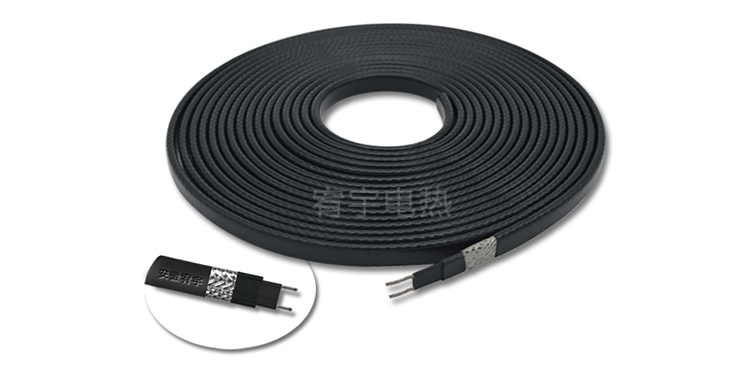
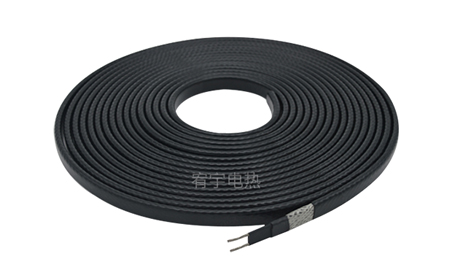
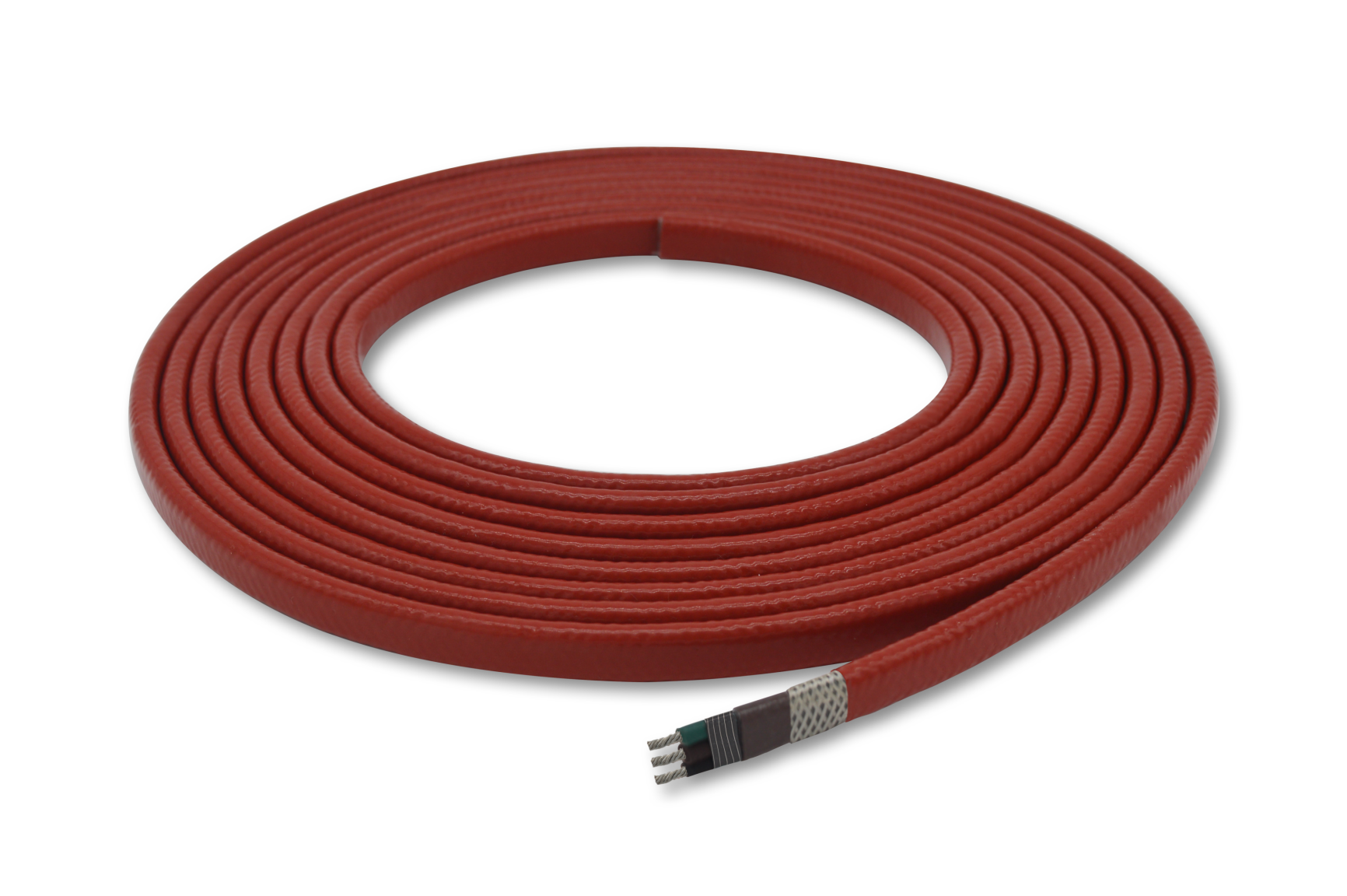
Winter freezing, low ambient temperature and ice accumulation bring heavy losses for residential, commercial and industrial facilities. Pipeline burst, roof ice dams, slippery walkways and cold indoor floors are common pain points. heat trace cable, also known as Trace heating cable, is the core technology to solve these temperature maintenance and anti-freeze challenges. This comprehensive guide explains all mainstream product categories, application scenarios, selection criteria and key procurement advice for heat tracing systems.
What is heat trace cable / Trace heating cable?
heat trace cable is a type of self-regulating or constant-wattage electric heating cable attached to the surface of pipes, roofs or pavement. It supplies stable heat to maintain the target surface temperature, prevent freezing or keep process fluid at a required temperature. Many overseas engineers use “heat trace cable” and “Trace heating cable” interchangeably. But in formal product specification documents,Trace heating cable is the general category name for all heat tracing heating cables.
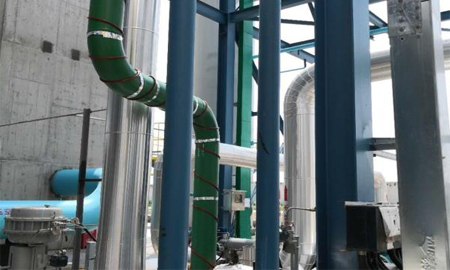
Main product categories of heat tracing systems
1. pipe heating cable
pipe heating cable is specially designed for pipeline freeze protection and process temperature retention. It can wrap on water pipes, sewage pipes, oil and chemical transport pipelines. In residential buildings, it prevents outdoor water pipes from cracking on freezing nights. In industrial sites, pipe heating cable maintains the viscosity of liquid medium so fluid can keep flowing smoothly. Different working environments require different cable structures: low temperature self-regulating type for common water pipes, explosion-proof grade for chemical and oil industry.
2. gutter heating cable
gutter heating cable is installed along roof gutters and downspouts. Ice dams are formed when snow melts and refreezes at roof edges, which block drainage, damage roof materials and create falling ice hazards. gutter heating cable continuously melts ice and snow inside gutter channels to guarantee unobstructed drainage. It must have strong UV resistance and low-temperature flexibility to adapt to outdoor harsh climate.
3. snow melting cable
For pedestrian walkways, driveways, steps and loading platforms, snow melting cable is the preferred solution. Buried under pavement, snow melting cable melts snow and ice automatically. It reduces slip-and-fall accident risks for commercial buildings, factories and public facilities. Compared with manual snow removal or salt deicing, the system requires less long-term labor cost and no chemical pollution.
4. electric heating mats for floors
For indoor thermal comfort, electric heating mats for floors deliver uniform radiant heat under tile, stone or laminate flooring. Unlike forced-air heating systems, floor heating warms objects directly instead of air, creating a more comfortable indoor environment. When you plan underfloor heating projects, cooperating with a professional Floor heating manufacturer is critical for safety, stable heat output and long service life.
Residential VS Industrial Application Differences
Residential projects focus on simple operation, low noise and basic freeze prevention. Home users mostly use pipe heating cable for outdoor water pipes, gutter heating cable for roof gutters and electric heating mats for floors for room heating.
Industrial projects have stricter requirements. Industrial-grade heat trace cable may need ATEX explosion-proof certification, corrosion resistance and high temperature resistance. Oil & gas pipelines, chemical workshops and large warehouse pipe networks rely on heavy-duty Trace heating cable for continuous temperature control.
Key factors to select heat tracing products
1. Working voltage: 110V / 220V for residential; 380V options for large industrial projects
2. Minimum ambient temperature of installation area
3. Required wattage density per meter or per square meter
4. Medium characteristics: corrosive, explosive, ordinary water
5. Certifications: CE, RoHS, EAC, ATEX, ISO9001
6. Accessories: thermostat, temperature sensor, junction box, insulation material
Common installation mistakes to avoid
Do not cut constant wattageelectric heating cable arbitrarily. Avoid overlapping cable sections which may cause overheating. Insulation layer should be added outside pipe heating cable to save power consumption. For roof gutter heating cable, fix the cable firmly to prevent slipping caused by snow weight.
FAQ
Q1: What is the difference between heat trace cable and Trace heating cable?
A: The two terms refer to the same product category. heat trace cable is widely used in North America, whileTrace heating cable appears more in formal technical documents.
Q2: Can one electric heating cable work for both pipe freeze protection and underfloor heating?
A: No. Each product is engineered for specific scenarios. pipe heating cable cannot replace electric heating mats for floors.
Q3: How long is the service life of snow melting cable?
A: Quality certified snow melting cable can normally work for 10–20 years under standard installation and maintenance.
Q4: What should I check when choosing a Floor heating manufacturer?
A: Verify factory qualification, product certifications, OEM/ODM capacity, warranty and after-sales technical support.
If you need customized heat tracing solutions, visit our product pages for heat trace cable, pipe heating cable, gutter heating cable, snow melting cable and electric heating mats for floors. As a professional Floor heating manufacturer and electric heating cable factory, we provide full-series products with complete international certifications.