Frozen and burst pipes, stuck valves, production halts due to solidified materials... these are the frustrating headaches of industrial freeze protection that every plant maintenance team has experienced. When selecting heating equipment, many people confuse silicone rubber heating tapes with silicone rubber heaters, thinking, "Aren't they both made of silicone rubber?" In reality, their performance in pipeline heat tracing scenarios is worlds apart. Choosing the right one saves you both trouble and money; choosing the wrong one not only results in poor heating performance but can also create hidden safety hazards.
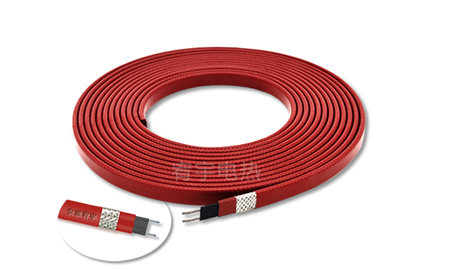
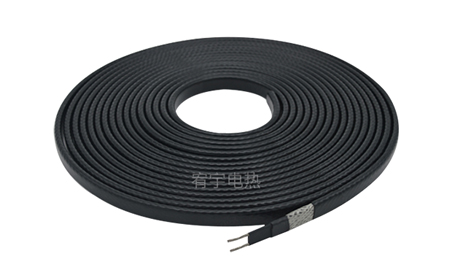
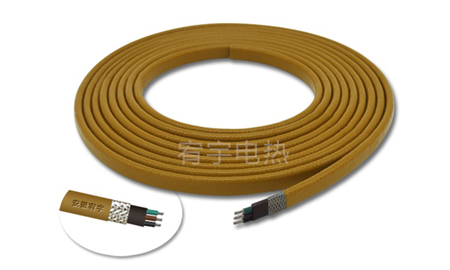
First, there is a massive difference in installation flexibility. Silicone rubber heaters are mostly panel or pad structures. Although they have a certain degree of flexibility, they are better suited for relatively regular surfaces like oil drums or square tanks, and typically require metal buckles and springs for fixation. Silicone rubber heating tapes, on the other hand, are true strip structures with extremely high flexibility. They can be wrapped directly around objects of any complex shape. Whether it's pipes of varying diameters, uneven valves, or the corners of irregular tanks, they fit snugly with zero dead corners.

Second, there is a gap in thermal efficiency. Because silicone rubber heating tapes can make complete contact with the surface of the heated object, almost all the heat is transferred directly to the target, resulting in rapid heating and minimal heat loss. Panel heaters, however, are difficult to fit perfectly flush against a surface. Air gaps are inevitable, causing some heat to dissipate into the surrounding air, which compromises both the heating speed and uniformity.
Third, their application scenarios differ. Silicone rubber heaters are better suited for heating large, regular flat surfaces, such as the overall heating of standard 200L oil drums. Silicone rubber heating tapes excel in localized heat tracing, making them particularly ideal for pipeline freeze protection, valve insulation, and motor moisture prevention.
Ultimately, there is no absolute "better" or "worse," only what is suitable. If your heating target has a complex shape and requires precise, localized heating, a silicone rubber heating tape will undoubtedly be the more hassle-free choice.