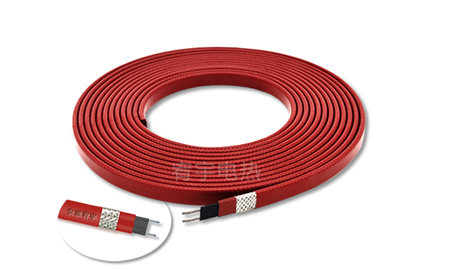
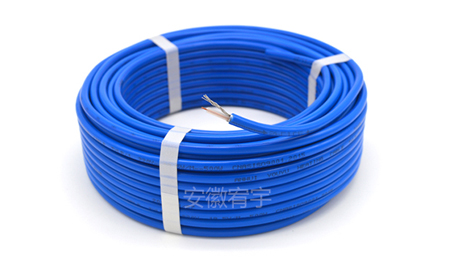
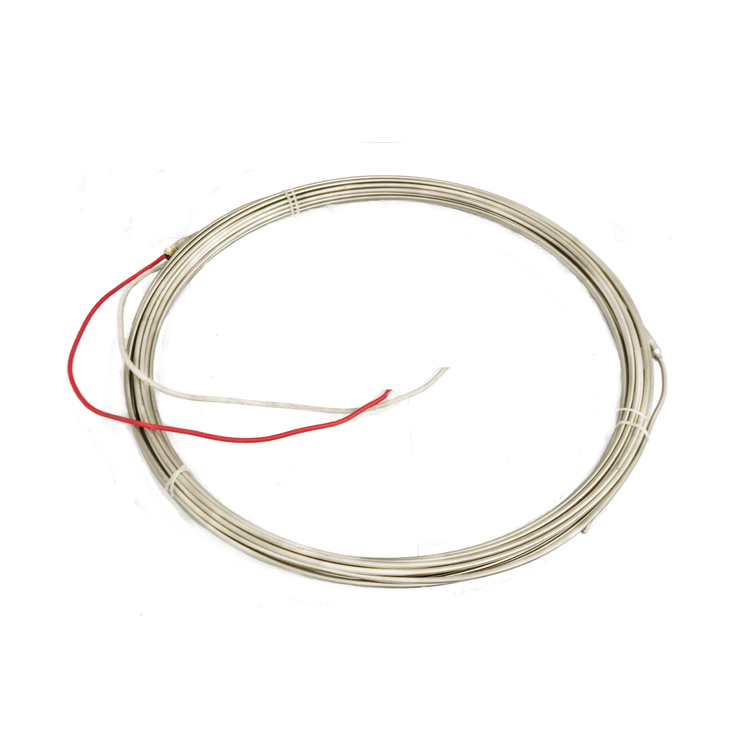
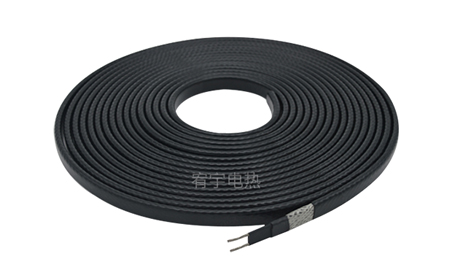
In scenarios like process insulation and pipe freeze protection, heat tracing cables are the silent "invisible guardians." However, during project debugging or daily operation, a tricky issue may arise: the heat trace is powered on, but it simply cannot reach the set debugging temperature.
Don't rush to replace it; it is likely the work of one of the following "invisible killers." Today, we are here to help you troubleshoot.
1. Improper Selection: Power Mismatch
This is one of the most common causes. Different pipe diameters, ambient temperatures, and insulation materials have completely different power requirements.
-
Phenomenon: If a heat trace with low wattage is selected for a large pipe diameter or extreme cold, it will be "overwhelmed." The rate of heat replenishment cannot keep up with the rate of heat loss, so the temperature naturally won't rise.
-
Recommendation: When selecting a model, be sure to calculate the accurate pipe heat loss and choose a product with the appropriate wattage.
2. Insulation Layer Moisture or Damage
The area between the heat trace and the pipe, as well as the external insulation layer, forms a complete system.
-
Phenomenon: If the insulation layer is damaged, soaked by rain, or if the insulation thickness is insufficient, heat will dissipate into the air in large quantities. Even if the heat trace is working properly, it cannot accumulate effective temperature within the pipe.
-
Recommendation: Check if the insulation layer is dry and intact, ensuring the "heat locking" link is flawless.
3. "Hard Injuries" from Installation Construction
Construction details determine whether the heat trace can perform at maximum efficiency.
-
Phenomenon: If the heat trace is not installed tightly against the pipe surface (leaving an air gap) during installation, or if the winding spacing is too large, heat transfer efficiency will decrease. Additionally, if the tail end is not properly sealed, moisture ingress and short circuits can affect heating power.
-
Recommendation: Strictly follow installation specifications to ensure the heat trace is straight or evenly wound, and use aluminum foil tape to increase the heat transfer area.
4. Insufficient Voltage or Excessive Line Length
-
Phenomenon: In long-distance transmission pipelines, if the power cable gauge is too thin or the voltage drop at the end is too large, the actual input voltage of the heat trace will be lower than the rated voltage, resulting in insufficient heat generation.
-
Recommendation: Calculate the power supply cable gauge based on the total power and length of the heat trace to ensure the terminal voltage is within the allowable range.