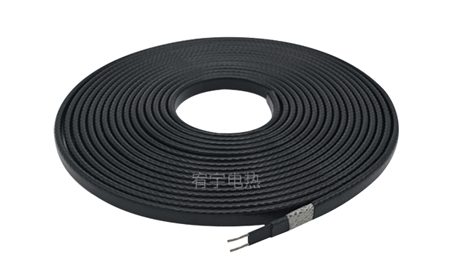
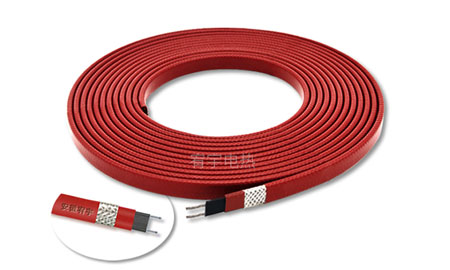
In cold winter conditions, natural gas pipelines are highly susceptible to issues such as condensation and freezing of moisture inside the pipe, ice blockage, and the accumulation of natural gas hydrates. These problems can directly lead to disrupted gas flow, unstable pressure, and in severe cases, pipeline shutdowns and equipment failures — all of which compromise the reliable supply of natural gas. Electric heat tracing cable has become the mainstream solution for freeze protection and thermal insulation of natural gas pipelines. However, given the flammable and explosive nature of natural gas, conventional heat tracing cables cannot meet the safety requirements of such operating conditions. Explosion-proof electric heat tracing cables are therefore the preferred solution for natural gas pipeline heat tracing cable.
The primary component of natural gas is methane, which has a wide explosive limit range. Pipeline transportation systems, valve assemblies, and station areas are all classified as flammable and explosive hazardous environments. Conventional heat tracing cables are not specifically designed for explosion protection — they lack flame-retardant, explosion-proof, and anti-static structural features. If faults such as short circuits, electrical leakage, or localized overheating occur during operation, they can easily generate electrical sparks or high-temperature heat sources. Once these come into contact with a leaked natural gas mixture, a major safety incident could be triggered, posing an extremely high risk. For this reason, the use of conventional heat tracing cables is strictly prohibited in high-risk gas pipeline applications.
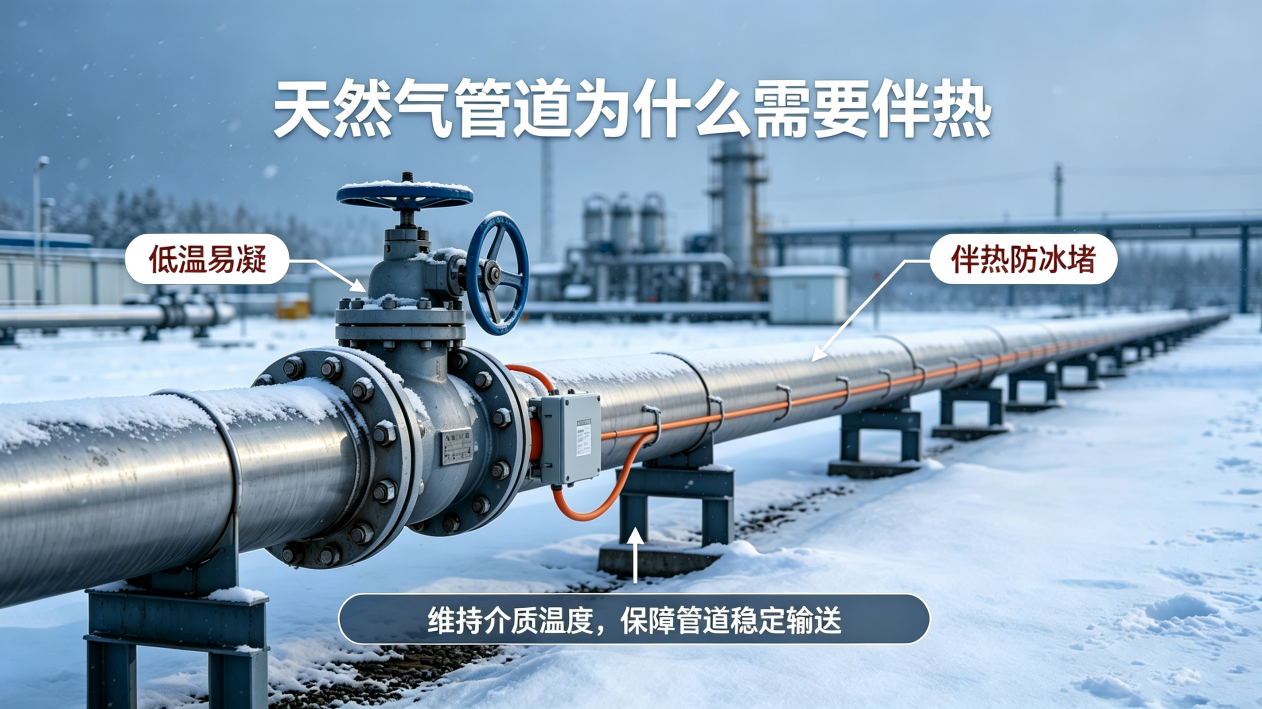
Compared with standard heat tracing products, explosion-proof electric heat tracing cables incorporate dedicated safety upgrades tailored to natural gas operating conditions, with prominent core advantages. First, these products carry formal explosion-proof certifications and comply with the usage standards for hazardous areas involving natural gas. Their overall structure features an explosion-proof design paired with a flame-retardant and corrosion-resistant outer sheath, effectively eliminating the risk of electrical sparks escaping or localized high temperatures igniting the medium at the source. Second, they offer precise temperature control and stable operation, continuously maintaining the pipeline temperature above the freezing point to effectively prevent pipe freeze-ups and condensate issues, thereby ensuring stable gas flow and pressure.
Meanwhile, explosion-proof electric heat tracing cables are highly versatile and suitable for a wide range of applications, including long-distance natural gas transmission pipelines, station valve assemblies, pressure-regulating equipment, buried pipelines, and outdoor pipeline systems. They feature waterproof, anti-corrosion, anti-aging, and high/low temperature shock-resistant properties, making them capable of withstanding harsh outdoor conditions such as extreme cold, high humidity, and salt spray. The cables are easy to install and maintain, support long-term continuous operation without the need for frequent inspections, and can significantly reduce winter maintenance costs for gas pipelines while eliminating the downtime losses and safety risks associated with manual thawing.
Safety is the fundamental bottom line in natural gas pipeline operation and maintenance. When selecting a heat tracing system for gas pipelines, conventional heat tracing products must be ruled out entirely. Only compliant explosion-proof electric heat tracing cables should be specified — with their professional explosion-proof protection and reliable heat tracing performance — to comprehensively safeguard the safe winter transportation of natural gas pipelines and ensure the continuous, stable, and secure operation of the entire gas supply system.