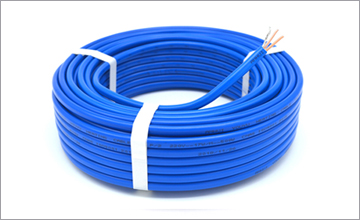
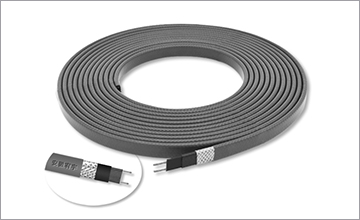
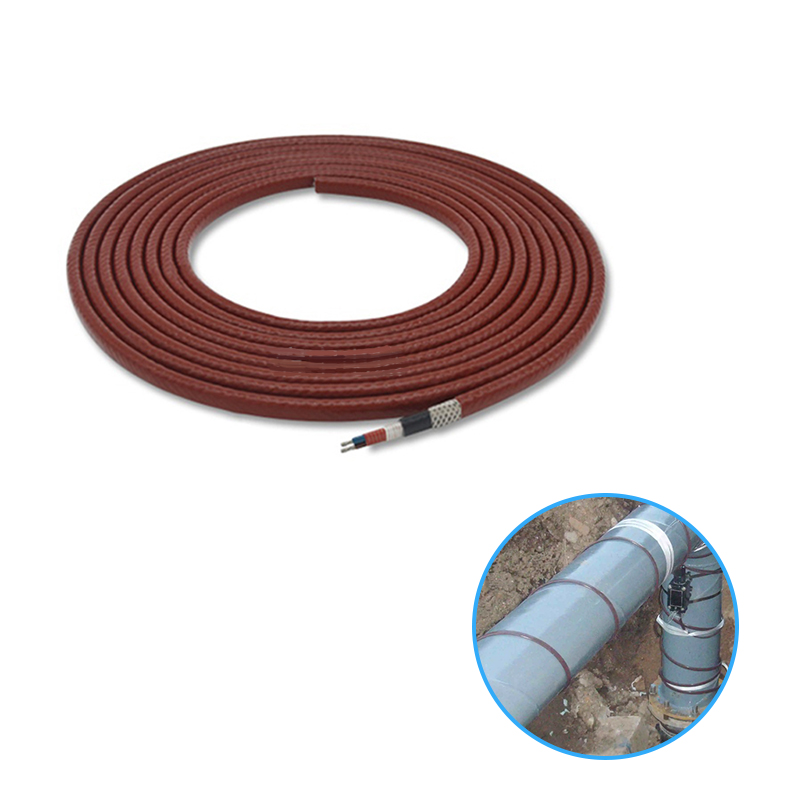
Winter pipeline bursts and roof ice‑dam damage create heavy property losses for home owners, facility managers and industrial plant operators. pipe heating cable protects plumbing and process pipelines from freezing, while gutter heating cable keeps roof gutters and downspouts open by melting ice blockages. However, many users encounter headaches: cable runs but pipes still freeze; roof gutters keep forming ice‑dams; circuit breakers trip frequently; service life is far shorter than expected. This FAQ‑style troubleshooting guide addresses common practical faults, distinguishes these two products from heat trace cable, Trace heating cable, snow melting cable, electric heating mats for floors, and the umbrella term electric heating cable, and shares selection guidance for a competent Floor heating manufacturer. For pipeline anti‑freeze solutions, .
Quick fault‑diagnosis table for pipe heating cable and gutter heating cable
|
Fault Description |
Most Probable Root Cause |
Quick Inspection Steps |
|
Cable powered‑on, but pipe still freezes |
Missing / damaged pipe thermal insulation; cable watt‑density too low for local cold; thermostat set‑point is too low |
Check insulation completeness; verify ambient‑temperature rating of cable; confirm controller temperature setting |
|
Circuit breaker / GFCI trips repeatedly |
Outer jacket damaged; moisture invades junction box; short‑circuit inside cable |
Disconnect power; visually inspect cable surface and all connection terminals; run insulation‑resistance test |
|
gutter heating cable works but ice‑dam still forms at roof edge |
Cable layout does not fully enter downspouts; insufficient watt‑density for heavy‑snow climate |
Check whether cable runs through the full length of gutters and downspouts |
|
System only works intermittently |
Loose terminal connections; cable internal damage from sharp bending; faulty temperature sensor |
Tighten terminals; inspect bend points; test sensor reading accuracy |
FAQ Section
Q1: My pipe heating cable shows power‑on status, but my water pipe still freezes. Where should I start troubleshooting?
A: The number‑one cause is incomplete or deteriorated external thermal insulation around the pipe. Even fully functional pipe heating cable will lose most generated heat without proper pipe insulation. Second, check if you have selected correct watt‑density matching your lowest historical ambient temperature. Third, verify your thermostat or self‑regulating cable performance: confirm the temperature sensor sits tightly against pipe surface instead of hanging in air. Many users only test cable heating itself and ignore heat‑loss reduction via insulation.
Q2: Why does my gutter heating cable fail to stop ice‑dam formation even though sections feel warm?
A: A very frequent mistake is only laying cable along horizontal gutter channels, without feeding cable vertically down into every full‑length downspout. Melted water will re‑freeze inside un‑heated downspouts and back‑up to create new ice‑dams. Also check outer sheath integrity: if you nail or screw directly through gutter heating cable, UV‑resistant jacket gets punctured, moisture enters and local heating capacity disappears. For roof ice‑dam prevention, is engineered with UV‑stabilized outer polymer layer for long‑term open‑air exposure.
Q3: Can I cut self‑regulating pipe heating cable to arbitrary shorter lengths on‑site?
A: Self‑regulating pipe heating cable can be cut at designated segments on‑site, but you must seal the cut end‑termination strictly with factory‑supplied end caps. Poor end‑sealing lets rain and humidity penetrate cable interior, which causes short‑circuit and premature failure. Constant‑wattage heat trace cable variants cannot be arbitrarily cut to random lengths; cutting will destroy internal circuit structure.
Q4: What routine maintenance should I perform each autumn before cold winter arrives for both pipe heating cable and gutter heating cable?
A: 1) Visually inspect whole cable length for scratch, crack, nail‑puncture and heavy deformation. 2) Check all junction boxes and end seals for water ingress signs. 3) Run insulation‑resistance test with multimeter or megger tool. 4) Test thermostat / controller function. 5) Repair or replace damaged pipe or roof insulation. Skipping pre‑winter inspection leads to unexpected failures during freezing weather.
Q5: What certification standards should qualified pipe heating cable and gutter heating cable carry for export projects?
A: Residential & commercial projects require CE and RoHS marks; projects for Russia and CIS regions demand EAC certification. Industrial hazardous zones such as oil‑gas facilities need ATEX explosion‑proof certification for heat trace cable / Trace heating cable variants. A trustworthy Floor heating manufacturer can provide full certification documentation for your customs clearance and safety compliance review. For one‑stop certified heating hardware, .
Typical real‑world project case warning
A commercial hotel installed cheap uncertified pipe heating cable on roof gutters to save procurement budget. Without UV‑resistant sheath, cable insulation cracked within two winters. Moisture triggered repeated GFCI tripping, and ice‑dam damaged fascia boards, creating far higher repair cost than original product saving. Always assign correct product to its designed installation environment.
Closing advice
Troubleshooting freeze‑protection systems starts from installation inspection and environment matching, not blindly replacing cables. Distinguish clearly between indoor‑shaded pipeline‑use pipe heating cable and outdoor‑exposed gutter heating cable. Combine regular autumn maintenance with correct product selection, and you can greatly reduce winter‑related freeze‑damage risks for residential, commercial and industrial facilities.