During the long-term operation of heat tracing systems, damage to the outer jacket is a fairly typical hazard. Once this outer layer of protection is compromised, moisture can easily penetrate the interior, potentially leading to electrical leakage, short circuits, or even safety hazards. Based on long-term field feedback from Youyu Electric Heating, outer jacket damage is usually linked to the following factors:
1. Mechanical Damage During Installation
If the heating cable is dragged with excessive force during laying, or if protective measures are not taken when passing through equipment brackets, pipe rack corners, or metal edges, the outer jacket can easily be scratched or cut. This is especially true on-site where welding slag or burrs haven't been properly cleaned. While the cable may appear intact initially, these hidden damages can gradually expand into visible ruptures due to temperature fluctuations during operation.
2. Improper Fastening Methods
Tying the cable too tightly or using non-heat-resistant standard cable ties can cause continuous pressure on the jacket. As the heat tracing cable generates heat during operation, the jacket softens. Over-tightened fasteners can then embed into the surface, causing localized thinning or even cracking. Therefore, heat-resistant materials should be used for fastening, and the tightness must be carefully controlled.
3. Mismatch Between Jacket Material and Operating Environment
Different operating conditions have varying requirements for the outer jacket's corrosion resistance, low-temperature tolerance, etc. If a standard material is used in highly corrosive environments or areas with prolonged sun exposure, the jacket will age prematurely, leading to embrittlement, cracking, or peeling. Environmental factors must be fully evaluated during the selection phase.
4. External Impact and Animal Bites
Stomping during routine maintenance, accidental bumps from heavy objects, and bites from rodents or birds are all realistic causes of outer jacket damage. This requires special attention in semi-open areas like pipe racks and industrial plants.
5. Natural Aging and Long-Term Fatigue
Polymer materials gradually harden and lose elasticity under prolonged high temperatures and thermal cycling, eventually developing fine cracks. If inspections reveal obvious discoloration, brittleness, or localized dents on the jacket, repairs or replacements should be arranged promptly.
Although outer jacket damage may seem like a minor issue, it directly impacts the safety and lifespan of the heat tracing system. Emphasizing proper material selection, standardized installation, and regular inspections can effectively reduce such failures. If you are experiencing similar issues with heat tracing cable outer jacket damage, feel free to contact us anytime!

 What is the problem with a self-limiting electric heating tape that doesn't get hot but still works?
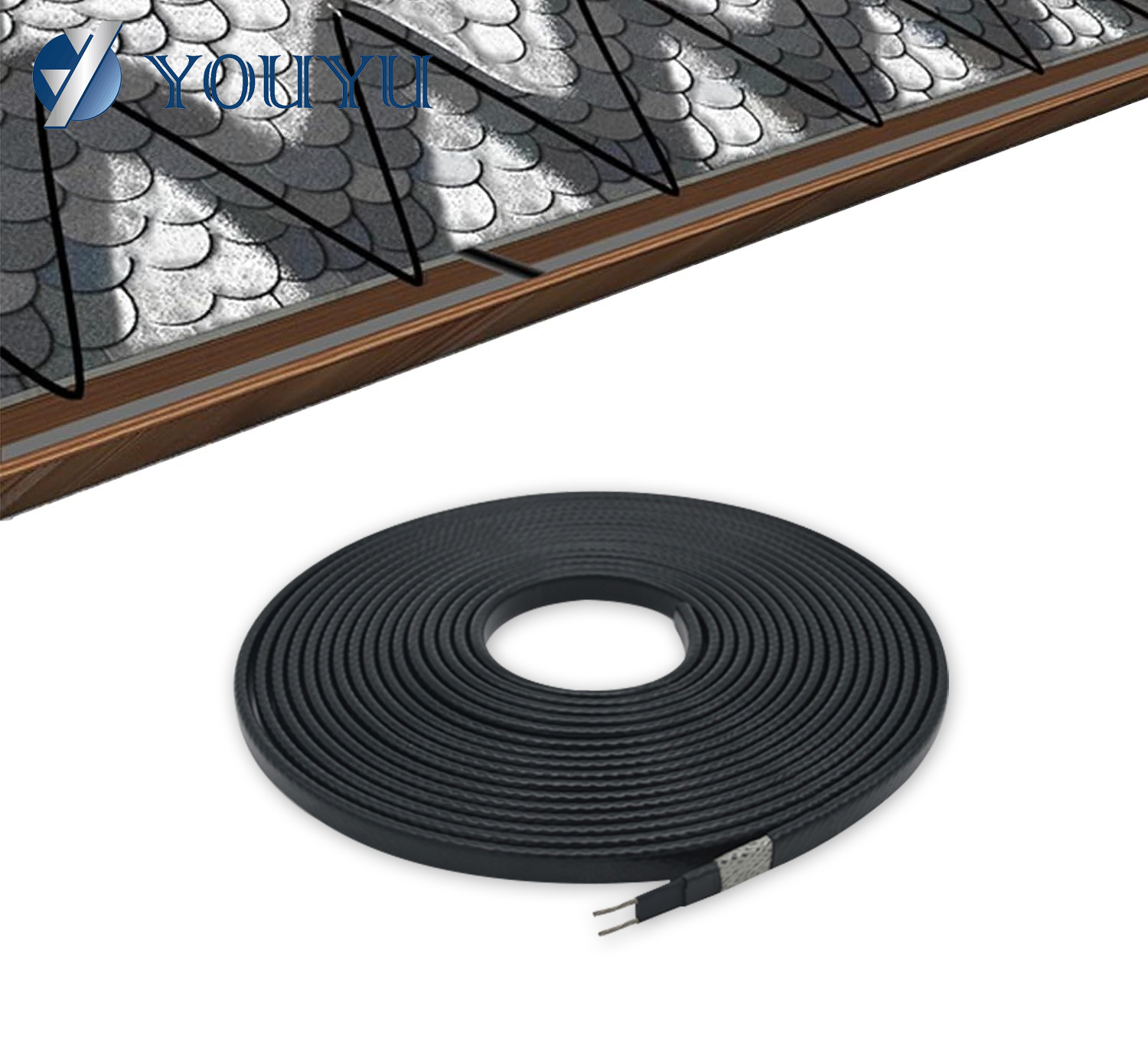 Self-Regulating electric heat tape cable should be used for low-temperature environment piping.